What is FAA?
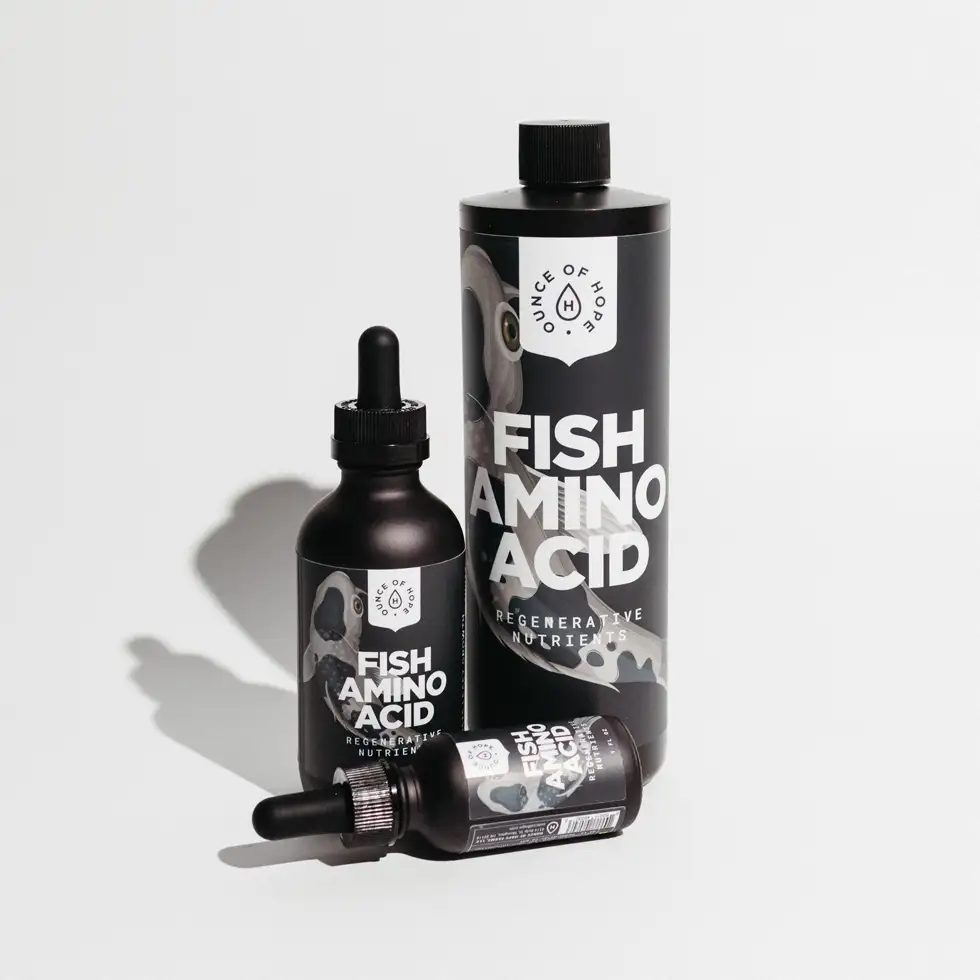
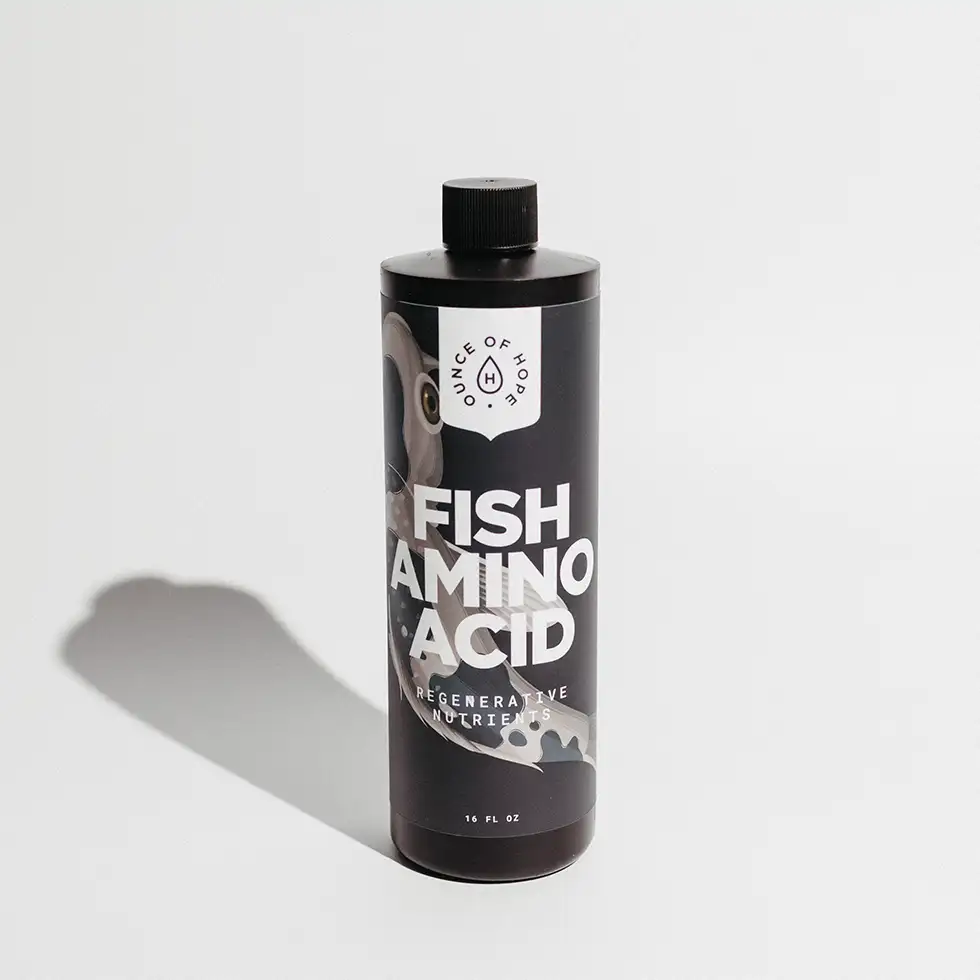
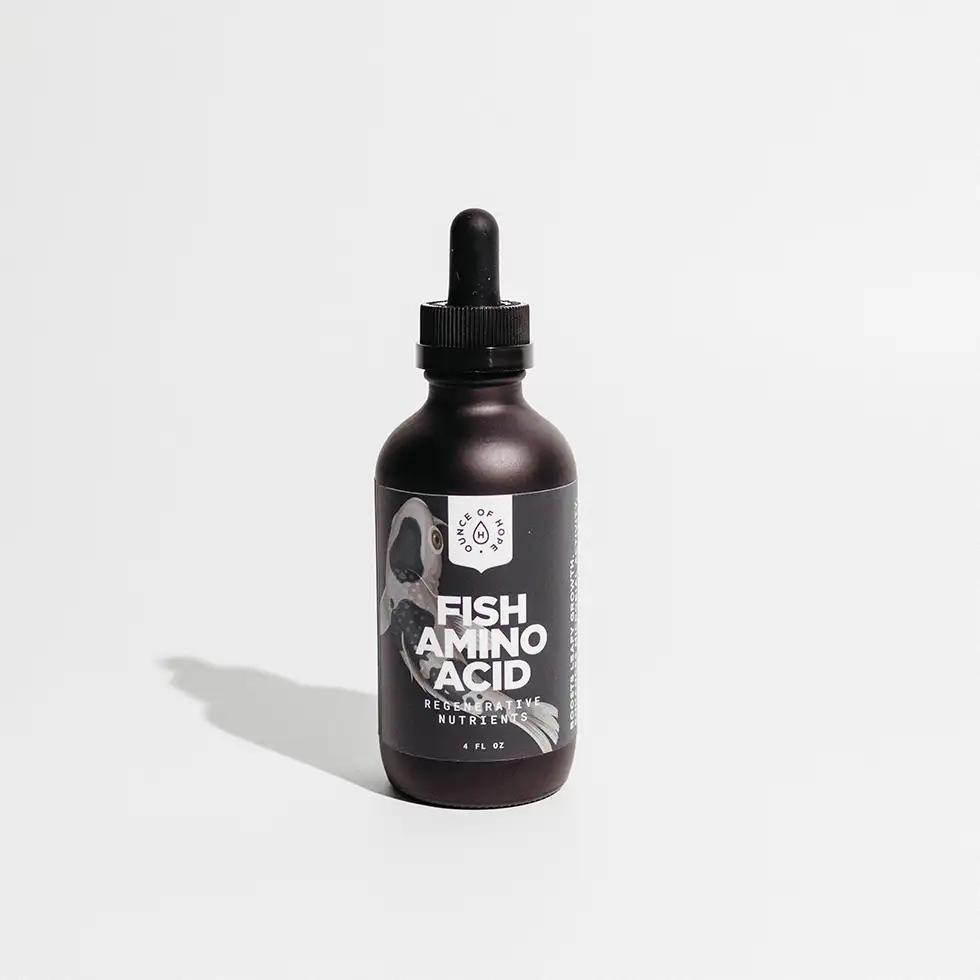
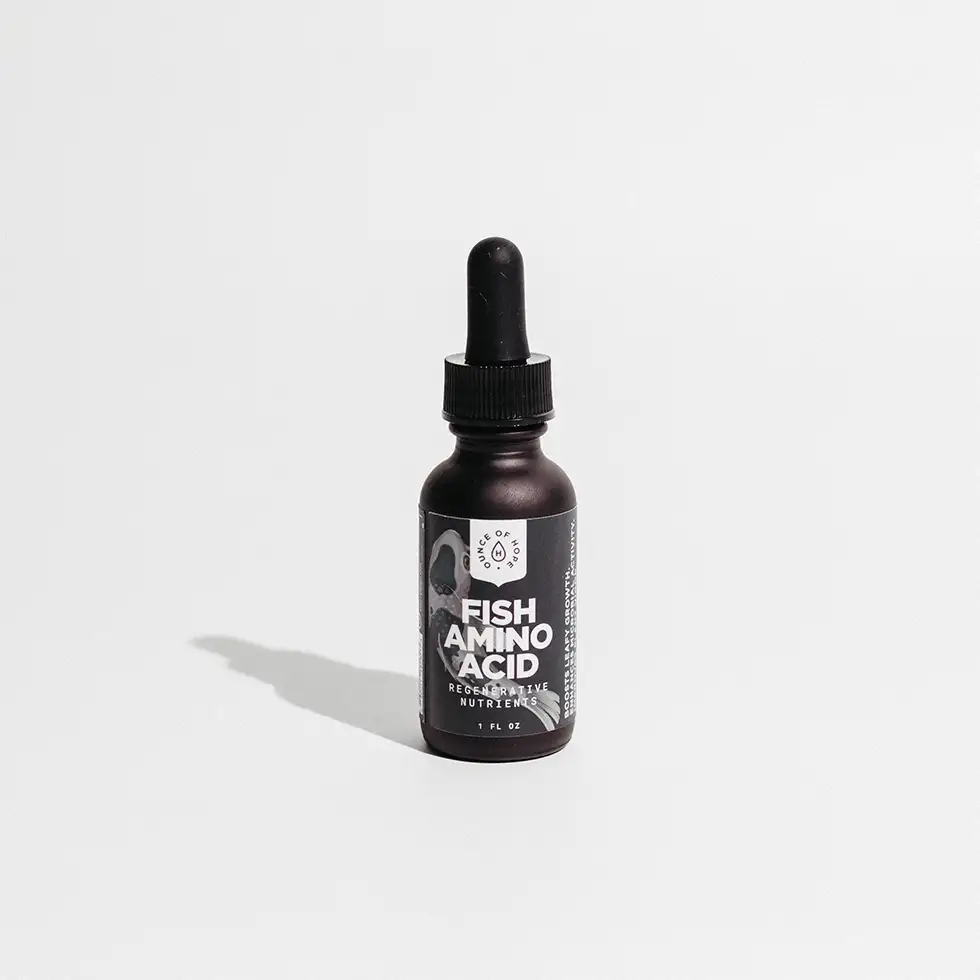
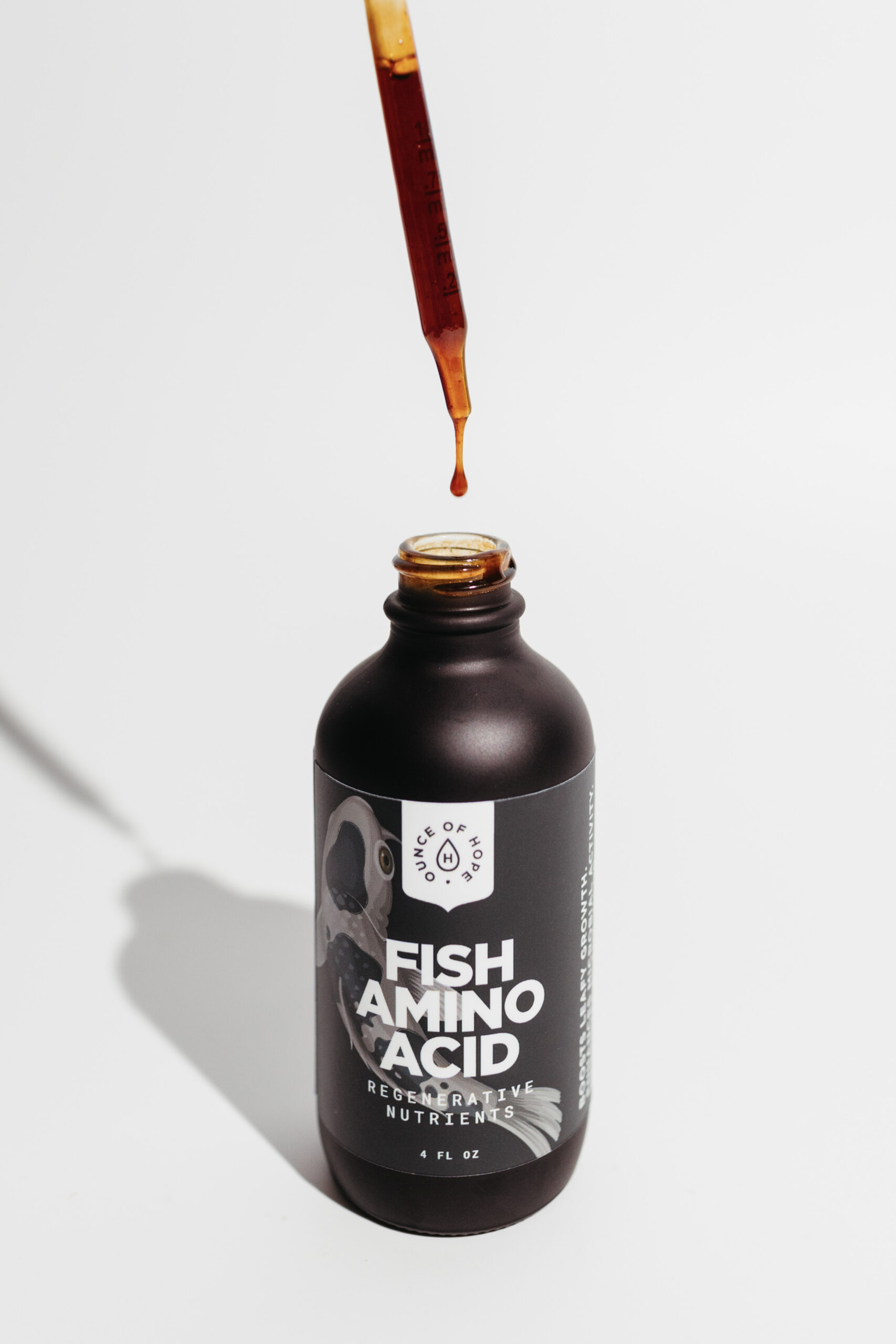
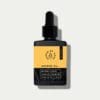
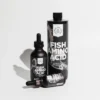
Our Fish Amino Acid is a liquid ferment made from brown sugar and farm-raised tilapia from our aquaponic facility in Memphis, TN. Through fermentation, the proteins in fish tissue break down into peptides, vitamins, minerals, and essential amino acids.
Benefits for Plants
FAA provides essential amino acids that support plant development throughout the entire life cycle, from seed germination to maturity. These building blocks enhance:
- Vegetative growth and root development
- Overall plant vigor and health
- Crop yields
- Resistance to disease and environmental stress
Benefits for Soil Health
Beyond feeding plants directly, FAA nourishes beneficial soil microbes that play a critical role in nutrient cycling. A thriving microbial community improves nutrient availability and uptake while strengthening the plant's natural immune system, creating a healthier growing environment from the ground up.
How to use FAA?
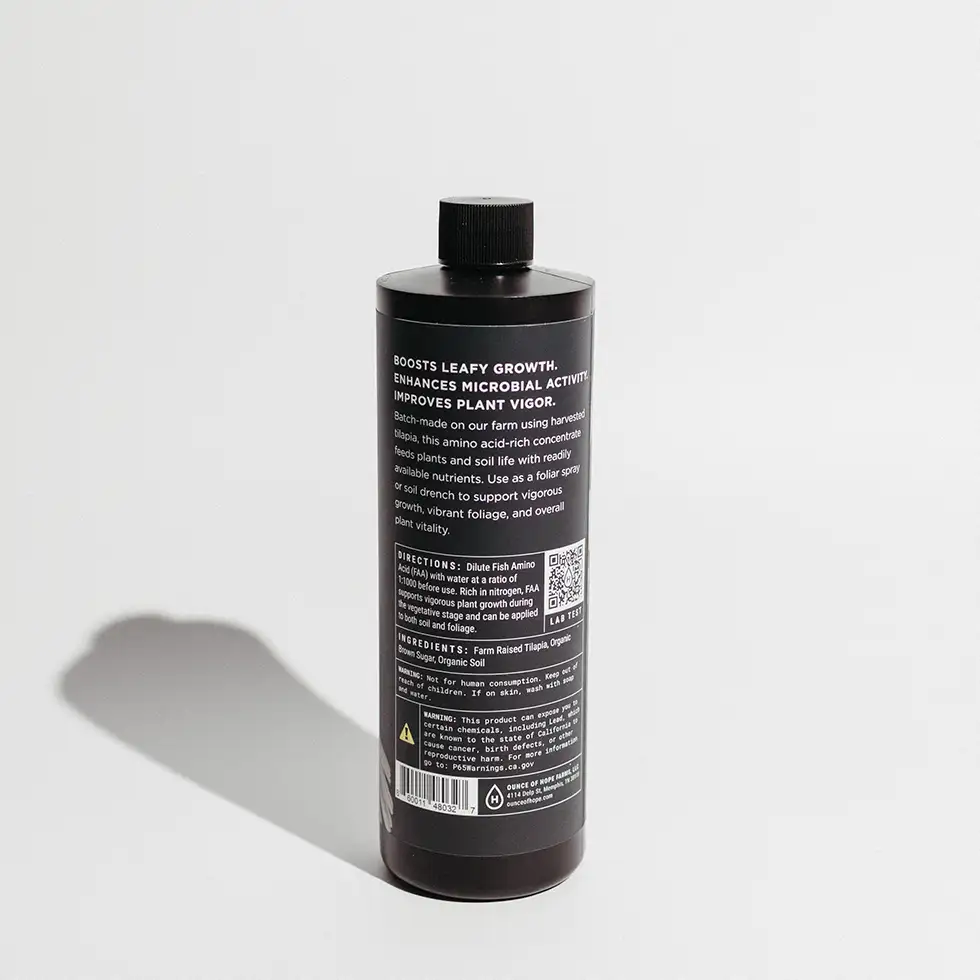
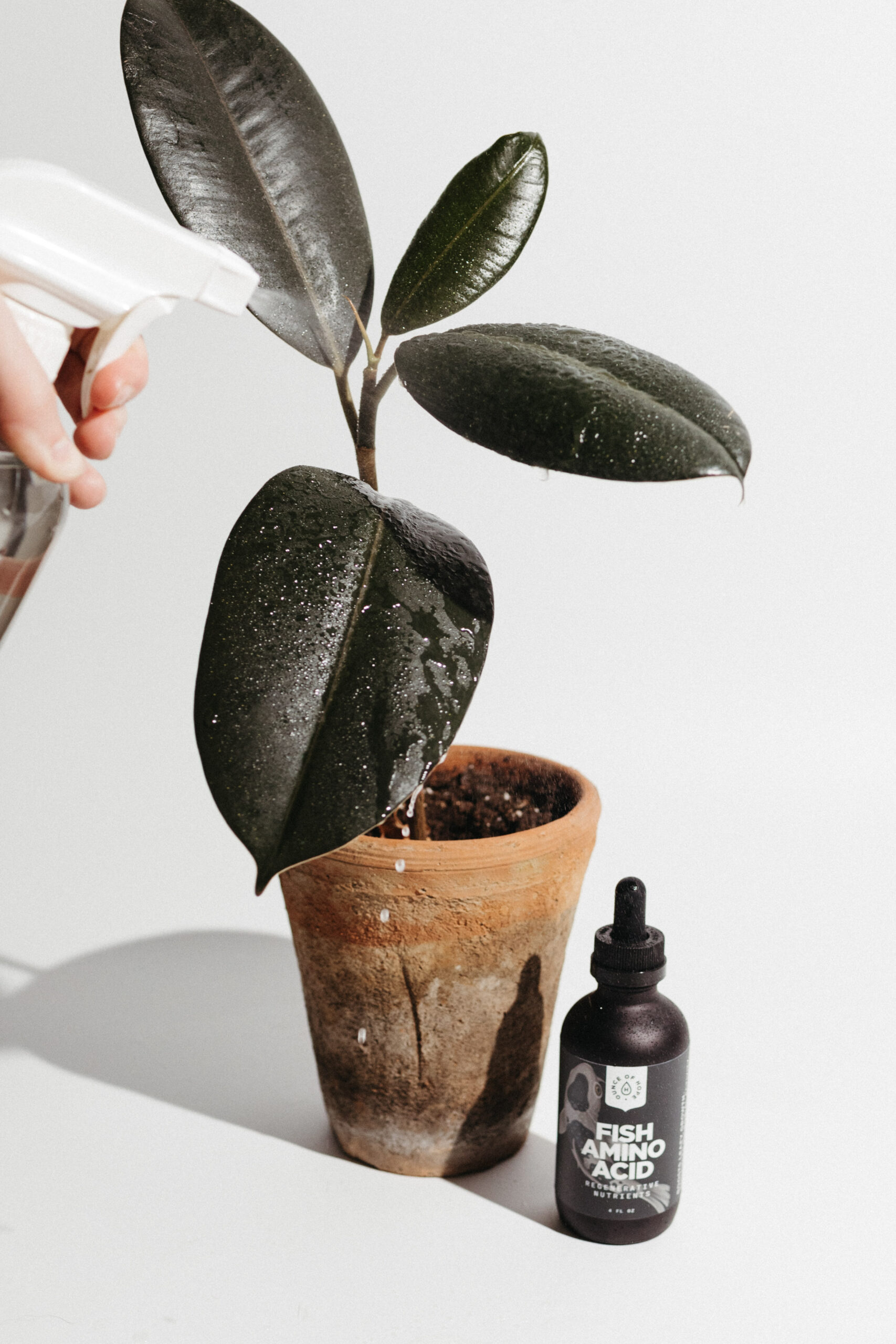
FAA can be applied in two ways: as a soil drench during watering or as a foliar spray applied directly to plant leaves. Regardless of method, proper dilution is critical. FAA is highly concentrated, and a little goes a long way.
Dilution Ratio: 1:1000 (1 part FAA to 1000 parts water)
- Use 1 ml of FAA per liter of water
- For larger volumes: 4 ml per gallon or 20 ml per 5 gallons
Soil Application Mix diluted FAA with your regular watering routine, applying directly to the soil around the plant's root zone.
Foliar Application Apply diluted FAA directly to plant leaves using a spray bottle or sprayer. Exercise extra caution with foliar applications, as excessive concentration can cause leaf burn or tissue damage.
For best results, spray in the evening as temperatures cool. Plants absorb nutrients more readily during this time, and avoiding direct sunlight prevents potential tissue damage from the combination of moisture and intense light.
When to use FAA?
FAA is most effective when applied early in a plant's life cycle, including during seed germination. Using FAA at this stage can increase germination rates and provide seedlings with essential nutrients as they begin growing. Continue applying FAA weekly or biweekly throughout the vegetative stage to support robust growth.
Before using FAA, research the specific plants you're growing to ensure compatibility. While FAA benefits most species, some plants may be sensitive to the high nitrogen content, particularly during flowering or fruiting stages. Understanding your plant's nutritional needs will help you determine the best application schedule and whether to reduce or discontinue use during reproductive phases.
When not to use FAA?
During Flowering and Fruiting Discontinue or significantly reduce FAA applications once plants enter their reproductive stage and begin producing flowers or fruit. The high nitrogen content in FAA can interfere with flower and fruit development, potentially reducing overall crop yields. If you choose to continue applications during this stage, reduce frequency and monitor plant response closely.
During Plant Stress or Disease Avoid applying FAA to plants experiencing stress from drought, temperature extremes, pests, or disease. Stressed plants may not tolerate concentrated nutrients and could suffer further damage.
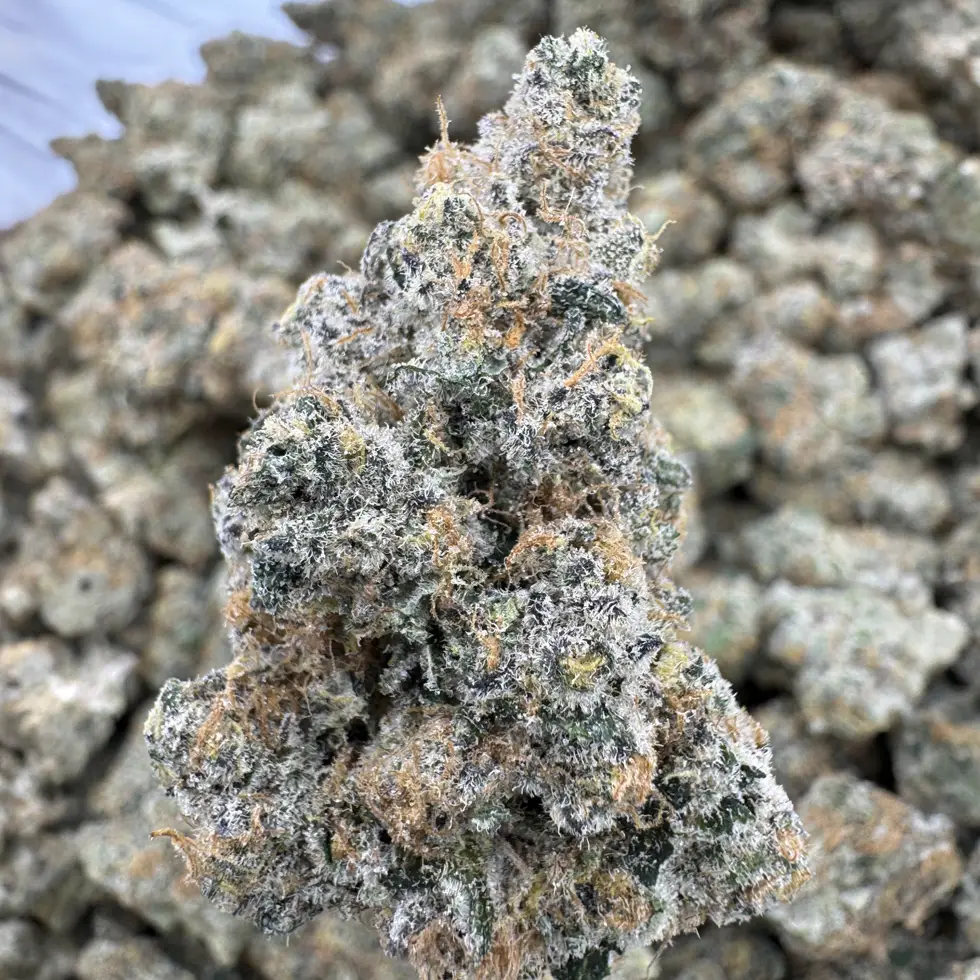
On Smokable Flowers Never apply FAA as a foliar spray on flowers intended for smoking or combustion. The moisture can become trapped within dense flower structures, creating conditions for mold growth. Foliar applications may also introduce unwanted flavors or aromas to the final product. For these crops, limit FAA foliar applications to the vegetative stage only.
Why choose FAA?
Fish-based amendments come in several forms, including fish emulsion and fish hydrolysate. While all provide plant nutrients, FAA offers distinct advantages through its unique fermentation process.
Superior Nutrient Profile The cold fermentation process used to create FAA breaks down all components of the fish into highly bioavailable forms. This produces a more concentrated product with a broader spectrum of micronutrients, amino acids, and peptides that plants can immediately absorb and utilize.
Enhanced Microbial Diversity Unlike fish emulsion (which is heat-processed and strips away beneficial compounds) or fish hydrolysate (which uses only bacterial fermentation), FAA incorporates both bacteria and fungi during fermentation. This creates a richer microbial inoculate that improves soil biology and supports long-term soil health.
Minimal Odor One of the most appreciated benefits of FAA is its mild smell compared to other fish-based products. The fermentation process significantly reduces the pungent fishy odor that can make fish emulsion and some hydrolysates unpleasant to work with.
Sustainable & Local Our FAA is made from tilapia raised at our aquaponic facility in Memphis, TN. These fish spend their lives producing nutrients for our farm before being transformed into FAA through a simple, electricity-free fermentation process that relies only on time and natural microbial action. This closed-loop system ensures traceability, freshness, and minimal environmental impact.
Key steps in the KNF FAA process:
- Use equal weights of fresh fish parts (e.g., heads, bones, skin, intestines) and brown sugar (or unrefined cane sugar like jaggery or panela).
- Layer the fish and sugar in a clean 5-gallon bucket, finishing with a thick layer of brown sugar on top.
- Optionally add a small amount of leaf mold soil or inoculants like LABS (lactic acid bacteria serum) to support fermentation.
- Seal the bucket and let it ferment at room temperature for a minimum of 3 months, ideally 6 months to 1 year.
- After fermentation, strain the liquid through a sieve or cloth to collect the golden, concentrated FAA.
- Dilute the FAA for use: typically 1:1000 (FAA:water), though up to 1:500 can be used depending on plant needs.
Benefits:
- Low odor despite using fish—especially when properly fermented and diluted.
- Rich in amino acids, nitrogen, and beneficial microbes that boost plant growth, root development, and soil health.
- Zero-waste—uses fish scraps that would otherwise be discarded.
- The leftover solids can be further extracted with vinegar to recover minerals like phosphorus for use in flowering stages.
This method aligns with regenerative agriculture by recycling organic waste and creating a sustainable, chemical-free input for farming








Reviews
There are no reviews yet.