




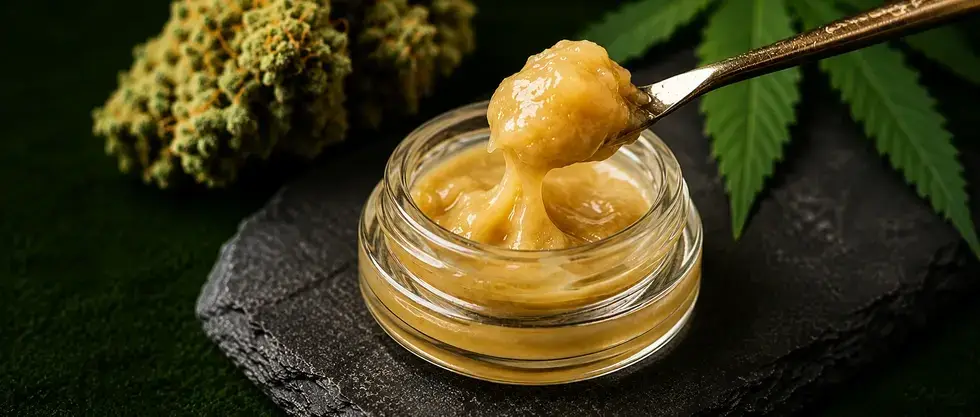
THCA hash rosin is a premium cannabis concentrate made without chemical solvents. Instead of using butane, propane, or other solvents to pull cannabinoids and terpenes from the plant, hash rosin is made with ice water, filtration, heat, and pressure.
That process is a big part of why hash rosin has built such a strong reputation among concentrate shoppers. It’s often flavorful, aromatic, and tied to a more craft-focused production style. It also tends to cost more than concentrates like distillate, BHO, or live resin, which is where plenty of people understandably pause and ask: okay, why?
The answer comes down to how it’s made, what it preserves from the plant, and whether those details actually matter to you as a shopper. Hash rosin isn’t automatically the right choice for everyone, but it’s one of the clearest examples of why solventless concentrates have become such a big deal.
What Does “Hash Rosin” Actually Mean?
The term “hash rosin” sounds like something you need a secret dab lounge password to understand. In reality, it’s just describing the starting material and the process.
“Hash” refers to concentrated trichomes separated from the cannabis plant. Trichomes are the tiny resin glands that hold many of the plant’s cannabinoids, terpenes, and aromatic compounds.
“Rosin” refers to the concentrate made when that hash is pressed using heat and pressure.
Put together, hash rosin is a solventless concentrate made by pressing hash into a rich, concentrated oil. No butane, no propane, and no chemical extraction solvents.
That’s why hash rosin sits inside the broader category of solventless concentrates. You may also hear related terms like live rosin, ice water hash, bubble hash, full melt hash, dry sift, and rosin press. These products are connected, but they’re not all interchangeable.
The simplest way to think about it: hash is the concentrated starting material, and rosin is what you get after that hash is pressed.
How THCA Hash Rosin Is Made
One reason THCA hash rosin often carries a premium price is that the production process takes time, skill, and high-quality starting material. This is not one of those products where the plant goes in one side of a machine and a perfect little jar of rosin magically pops out the other.
Step 1: Start With Quality Plant Material
Like most cannabis products, hash rosin starts with the plant itself. Better input material generally creates a better final concentrate, which is why many producers start with carefully selected flower or fresh-frozen cannabis.
Fresh-frozen material is often used in live rosin production because freezing the plant shortly after harvest may help preserve more of its original aromatic profile. That matters because rosin shoppers aren’t only shopping for potency. They’re shopping for flavor, aroma, and a product that still feels connected to the original flower.
Step 2: Make Ice Water Hash
Next, the plant material is mixed with ice water and gently agitated to separate trichomes from the rest of the plant. The mixture is then filtered through a series of fine screens or bags that separate trichomes by size and quality. The collected material is commonly called ice water hash or bubble hash.
This step is a huge part of what makes hash rosin different from many other concentrates. Instead of dissolving compounds out of the plant with solvents, producers are physically separating the trichomes. It’s slower, fussier, and less forgiving, which is exactly why people who make rosin tend to talk about it like a craft.
Step 3: Dry the Hash
The collected hash has to be dried carefully before pressing. This sounds like a small detail, but moisture can affect the final texture, quality, and stability of the rosin. Rushing this step can lead to a less consistent product, especially if the goal is a concentrate that holds its texture and flavor over time.
Step 4: Press the Hash Into Rosin
Once the hash is ready, it goes into a rosin press. Controlled heat and pressure squeeze the concentrated oils out of the hash, and that finished concentrate is hash rosin.
The process sounds simple on paper, but doing it well takes equipment, patience, and a lot of starting material. That’s part of why hash rosin prices are often higher than other concentrate types. You’re not just paying for THC percentage. You’re paying for the process used to get from plant to finished product.
THCA vs. THC: What Does Heat Have to Do With It?
The “THCA” part of THCA hash rosin trips people up, especially if they’re used to seeing products labeled simply as THC.
THCA (tetrahydrocannabinolic acid) is the acidic cannabinoid naturally produced by the cannabis plant. On its own, THCA is not generally considered intoxicating in the same way THC is.
When THCA is exposed to heat, it goes through a process called decarboxylation, which converts THCA into THC, the cannabinoid most associated with cannabis’s intoxicating effects.
In plain English:
- THCA is the raw, acidic form found in the plant
- THC is created when THCA is heated
- Heat is what activates the conversion
This is why a product can be labeled as THCA hash rosin and still be intended for consumers seeking THC effects. Once the product is heated during vaping, dabbing, or another heat-based method, THCA converts into THC.
So THCA and THC aren’t totally separate worlds. They’re different stages of the same cannabinoid process, and heat is what changes the experience.
THCA Hash Rosin vs. Other Concentrates
Not all concentrates are made the same way, and not every shopper is looking for the same thing. Some people care most about flavor. Some want potency. Some want convenience. Others want the lowest price they can find and don’t need the full concentrate TED Talk before checking out.
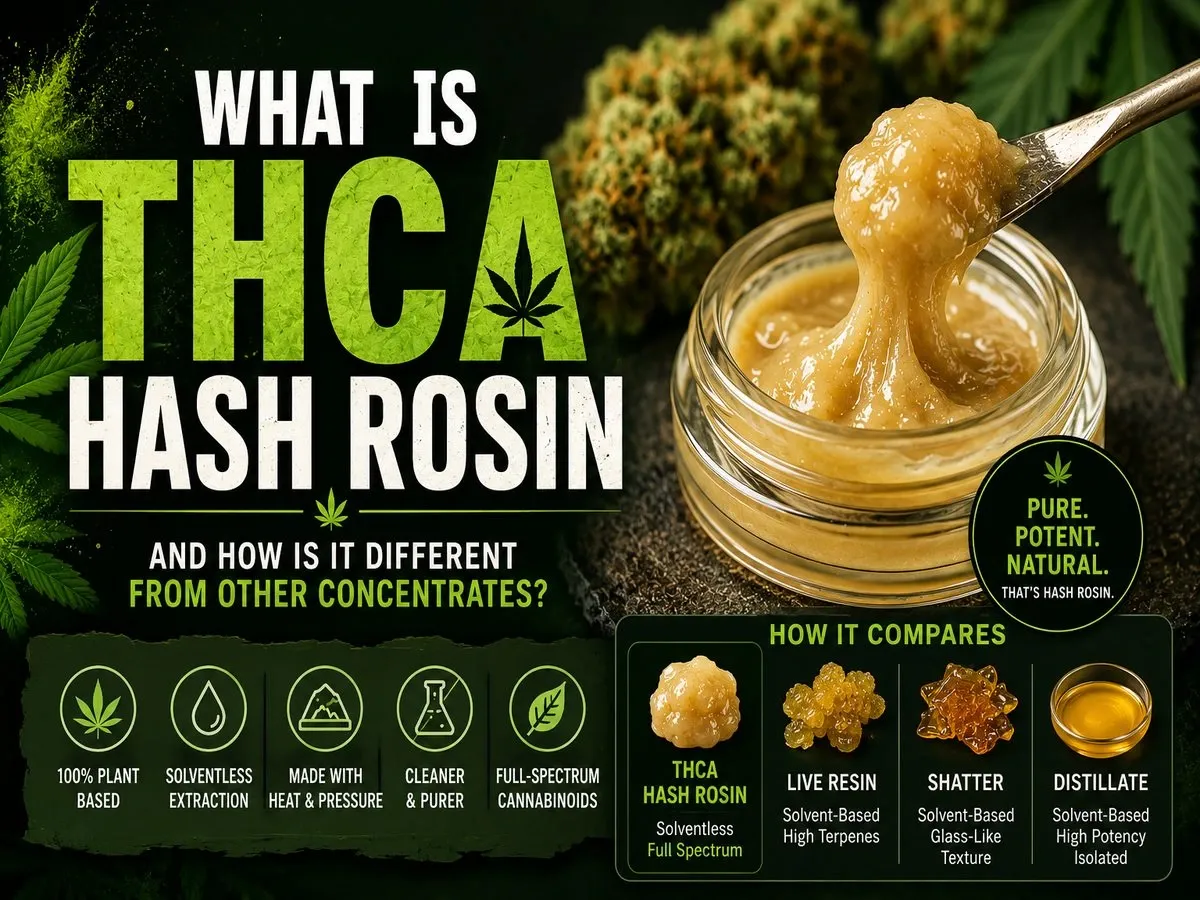
Here’s a simple breakdown of how THCA hash rosin compares to other common concentrate types:
|
Concentrate Type |
How It’s Made |
Solventless? |
What It’s Often Known For |
|
Live Rosin |
Fresh-frozen hash pressed into rosin |
Yes ✅ |
Fresh plant profile, terpene preservation, premium pricing |
|
Live Resin |
Extracted from fresh-frozen cannabis using solvents |
No |
Strong flavor and aroma, often more affordable than rosin |
|
BHO |
Extracted using butane |
No |
Potency, variety, wide availability |
|
Distillate |
Refined extract focused heavily on isolated cannabinoids |
No |
High potency, lower flavor complexity, common in vapes and edibles |
|
Dry Sift |
Trichomes separated through screens without water |
Yes ✅ |
Simpler solventless process, quality varies widely |
The biggest difference between these products isn’t just potency. It’s how the concentrate is made and what that process preserves or removes.
Hash rosin and live rosin appeal to consumers who want a solventless option. Live resin appeals to people who want strong flavor but don’t mind solvent-based extraction. Distillate is popular for its versatility and affordability, though it usually doesn’t carry the same flavor complexity as rosin. None of this means one concentrate is automatically better for everyone. Each type makes different tradeoffs.
-

Cereal Milk 414mg THCa Live Hash Rosin Vape Pod
$45.00 Buy Now -

Oh La La 495mg THCa Live Hash Rosin Vape Pod
$45.00 Buy Now -
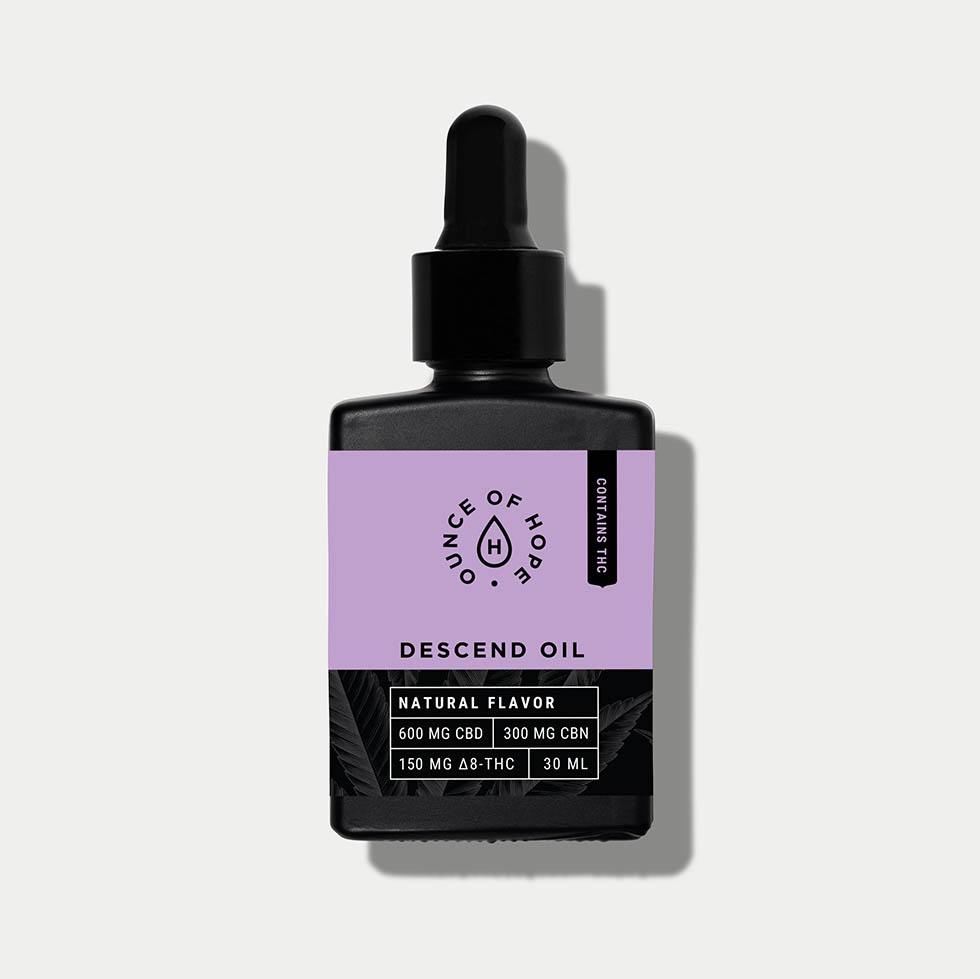
Full-Spectrum Descend CBN Oil (1,050mg)
$20.00 – $85.00 Buy Now -
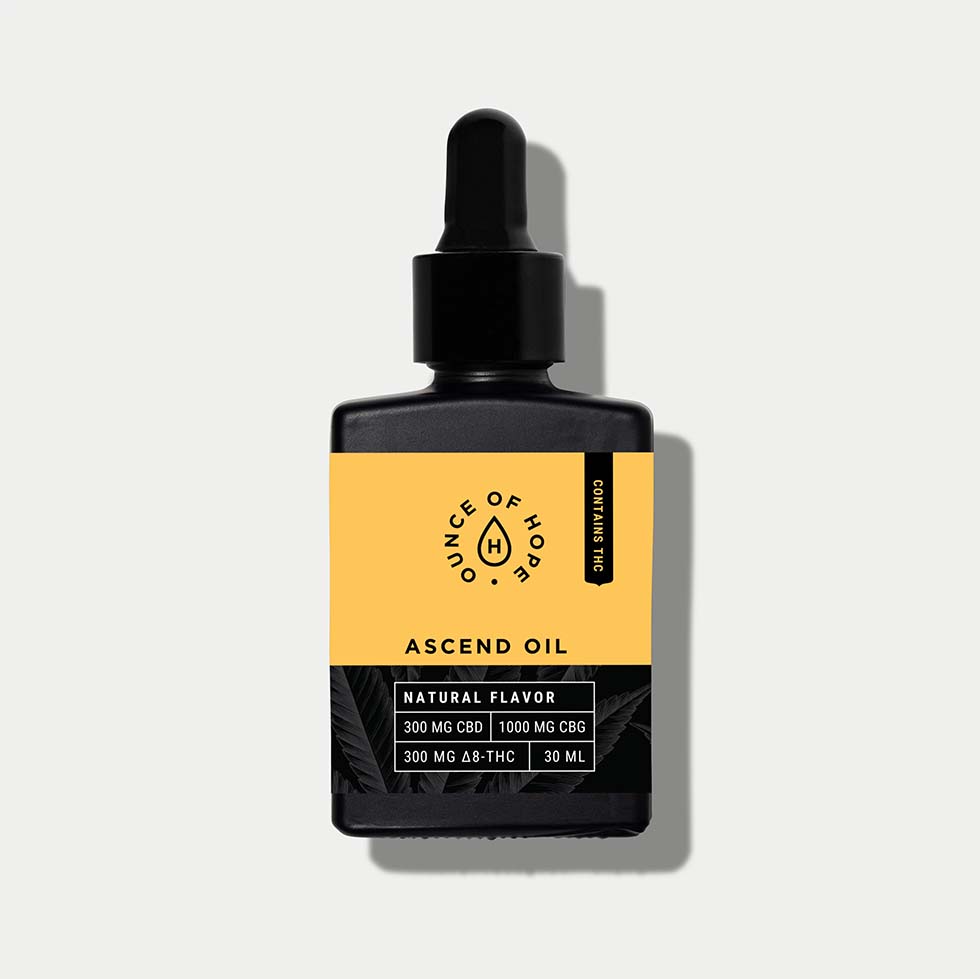
Full-Spectrum Ascend CBG Oil (1,600mg)
$4.00 - $14.99 Buy Now
Why Solventless Concentrates Became So Popular
The rise of solventless concentrates isn’t just about cannabis snobbery, though yes, there is absolutely a little cannabis snobbery involved.
For many shoppers, solventless products feel more approachable because the process is easier to understand. Ice water, filtration, heat, and pressure sounds more intuitive than hydrocarbon extraction or heavy refinement.
That doesn’t mean solventless products are automatically perfect, or that solvent-based concentrates are automatically bad. Well-made BHO, live resin, and distillate products can still be high quality when manufactured and tested properly.
Consumers choose solventless products because they care about how the product was made, whether it preserves more of the plant’s original flavor and aroma, and whether it avoids traditional extraction solvents.
For Ounce of Hope shoppers, this is where products like our solventless THCA disposable vapes come in. They’re not the same thing as scooping hash rosin out of a jar for a dab rig, but they’re part of the same broader interest in solventless THCA products.
The Ohh La La Solventless O₂ Live Hash Rosin Disposable Vape is a 0.5ml disposable vape with 495mg of THCA, a hybrid strain profile, and terpenes including caryophyllene, limonene, and myrcene. The Cereal Milk Solventless O₂ Live Hash Rosin Disposable Vape comes with 414mg of THCA and a terpene profile featuring caryophyllene, limonene, and humulene. Both are designed for shoppers drawn to solventless products who want something more convenient and approachable than a traditional dab setup.
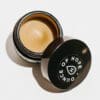
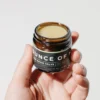
And for those who want to go full rosin, our Maple Cream THCA Live Hash Rosin is the real deal: a traditional concentrate for the full solventless experience.
Why Terpenes Matter in Hash Rosin
If you’ve spent any time around concentrate people, you’ve probably heard someone get dramatically passionate about terpenes. Honestly, they’re not totally wrong.
Terpenes are aromatic compounds found in cannabis and many other plants. They help shape a cultivar's flavor and aroma, which is why one product might smell citrusy, earthy, gassy, floral, sweet, or spicy.
One reason consumers care about hash rosin is that solventless production is often associated with preserving more of the plant’s natural character. When people talk about premium concentrates, they’re often talking about more than THC percentage. They’re talking about the way the product smells, tastes, handles, and reflects the original flower.
That’s also why two rosin products can feel very different even when both are labeled as THCA products. The Cereal Milk Solventless O₂ Live Hash Rosin Disposable Vape with its creamy, sweet notes, isn’t trying to be the same experience as the Ohh La La Solventless O₂ Live Hash Rosin Disposable Vape, with its distinct hybrid profile. Cannabinoid content matters, but terpenes shape the personality of the product.
If you only shop by THC percentage, you may miss the differences that make one concentrate feel more flavorful, more aromatic, or simply more enjoyable than another.
Is THCA Hash Rosin Worth the Higher Price?
Sometimes, yes. Sometimes, not really.
If you care about solventless extraction, rich flavor, aroma, and craft production, THCA hash rosin may be worth the higher price. It’s one of those categories where the production method is part of the appeal.
But hash rosin isn’t automatically the best choice for every consumer, and pretending otherwise is how cannabis shopping gets annoying.
Hash rosin may be worth it if you care about:
- Solventless extraction
- Flavor and aroma
- Terpene preservation
- Premium concentrate quality
- Craft production methods
- A more true-to-flower experience
It may not be worth the premium if you mainly care about:
- Finding the lowest price
- Maximum potency for the dollar
- A product you can use without learning much about concentrates
- Edibles or topicals instead of inhalable products
The best concentrate depends on what you actually value. If the process, flavor, aroma, and plant profile matter to you, rosin can feel worth the splurge. If you mainly want affordability or straightforward potency, another concentrate may be the better fit.
How to Spot a Quality Rosin Product
Because hash rosin and solventless products often cost more, it’s worth knowing what to look for before buying. A higher price tag should come with more clarity, not more mystery.
Check the Product Description
A quality product should clearly explain what it is. Look for terms like live hash rosin, solventless, THCA, terpene profile, strain type, and product format. Vague descriptions aren’t always a dealbreaker, but if a product costs more because of how it’s made, the brand should be able to explain that clearly.
Look for Terpene Information
Terpene information tells you more about a product’s flavor and aroma before you buy. Ounce of Hope lists terpene profiles directly on product pages, including the Cereal Milk Solventless O₂ Disposable Vape and the Ohh La La Solventless O₂ Disposable Vape, so shoppers know what to expect before adding anything to their cart.
Review the COA
A Certificate of Analysis (COA) is one of the most important tools for evaluating any cannabinoid product. A COA can confirm cannabinoid potency and show whether the product was tested for contaminants. For solventless THCA products, where shoppers are often paying a premium. This matters a lot.
Before buying, check whether the product provides:
- Cannabinoid potency results
- Batch information
- Testing lab details
- Contaminant screening, when available
- A COA that matches the product
At Ounce of Hope, shoppers can access lab results through product pages and the site’s lab results area, making it easier to verify what you’re buying before checkout.
Be Realistic About Color and Texture
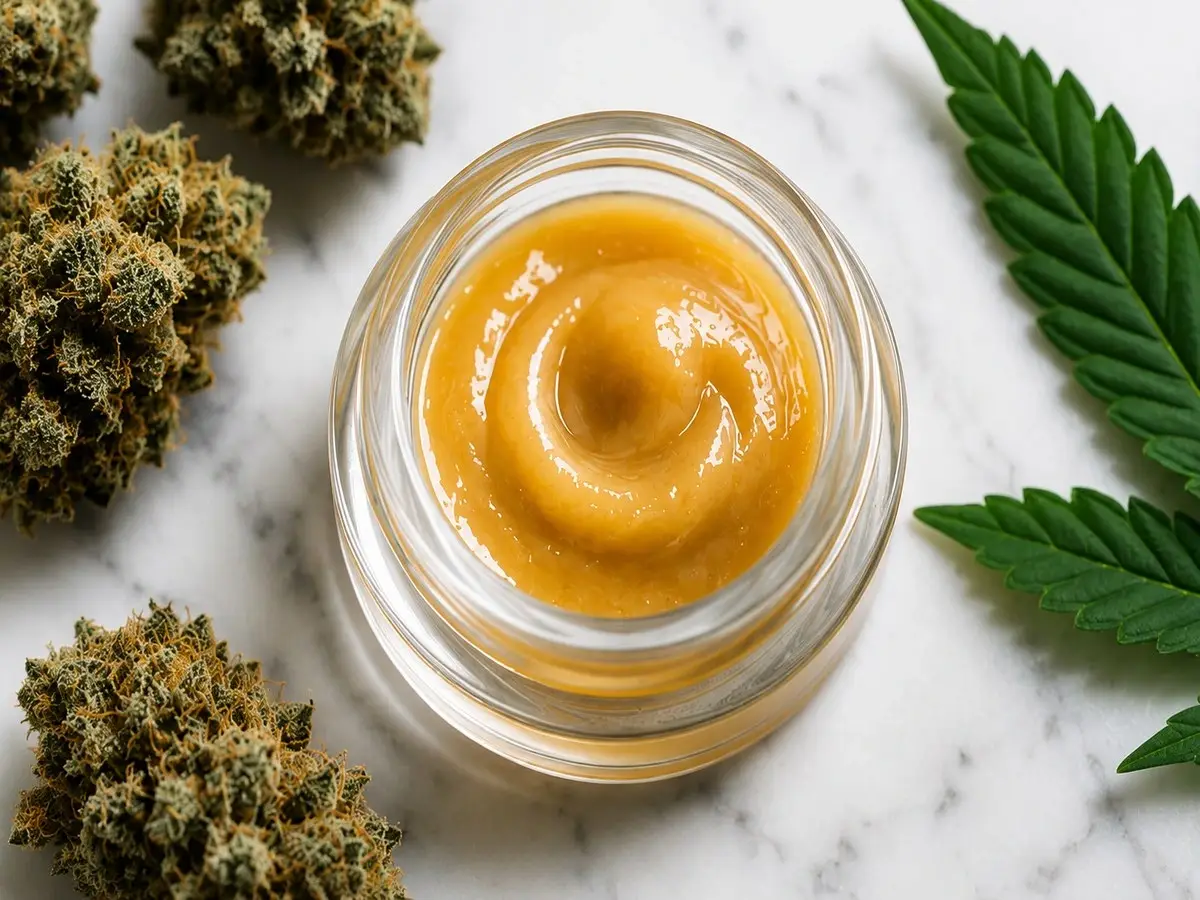
Traditional hash rosin can vary in color and consistency. You may see badder, jam, fresh press, cold cure, or other textures depending on how it was processed and stored.
Color alone doesn’t tell the whole story. The better quality check is the full picture: product details, lab testing, storage conditions, brand transparency, and whether the product actually matches what it claims to be.
Final Thoughts: What Makes THCA Hash Rosin Different?
THCA hash rosin is different from many concentrates because of how it’s made. Instead of relying on chemical solvents, hash rosin is created through a solventless process that uses ice water, filtration, heat, and pressure.
That process is part of why hash rosin has earned its premium reputation. Many consumers associate it with flavor, aroma, terpene preservation, and a closer connection to the original plant.
But the bigger takeaway isn’t that every shopper needs to chase the most expensive concentrate on the menu. It’s understanding what you’re paying for.
If solventless extraction, terpene preservation, and true-to-flower flavor matter to you, products like our Ohh La La Solventless O₂ Disposable Vape, Cereal Milk Solventless O₂ Disposable Vape, or Maple Cream THCA Live Hash Rosin may be worth exploring. If price, convenience, or simple potency matters more, another concentrate format may fit better.
A good product should make that decision easier, telling you what it is, how it was made, what cannabinoids and terpenes it contains, and where to find the lab results. That’s what separates a genuinely useful product page from a pile of concentrate buzzwords wearing a trench coat.