




Short answer: Yes, cooking with THC edibles is possible, but it's trickier than it sounds. Finished edibles are already "activated," so they don't need more heat. High heat and long cook times can break down some of the THC, and melting edibles into a big batch makes it hard to know how much is in each bite. The simplest, safest approach is to add an edible after cooking, keep the heat gentle, and keep track of the milligrams in every serving.
From holiday desserts to a Saints watch party spread, plenty of people in Lafayette wonder whether they can turn a chocolate or caramel into something a little more creative. Here's what to know before you try cooking with THC edibles.
Do THC edibles need to be heated to work?
No. Raw cannabis flower contains mostly THCa, which has to be heated to convert into THC. That process is called decarboxylation, and it's why people decarb flower before infusing butter or oil. Our guide on what decarboxylation is covers it in detail.
A finished edible is a different story. Chocolates, caramels, and gummies are made with cannabinoids that are already active. Heating them again doesn't make them stronger. In most cases, extra heat only adds risk.
What happens to THC when you cook with it?
Cannabinoids aren't indestructible. Research shows that heat can break them down over time:
- A 2022 study heated commercial cannabis oils to simulate aging and found that CBD and THC levels dropped, especially in products made with sunflower oil. The researchers specifically flagged the findings as important for people using these products in hot drinks or cooking (Tonoyan et al., 2022).
- A 2026 study of hemp flower heated to high temperatures found that THC is "thermally labile," meaning it can degrade into other compounds such as CBN instead of sticking around (Carrera et al., 2026).
Neither study tested a home oven and a pan of brownies, so you can't turn them into an exact rule. But they point the same direction: the more heat and time, the more uncertain your final dose becomes.
The real problem: dosing
Even more than heat, dosing is what trips people up when cooking with THC edibles. Here's why.
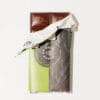
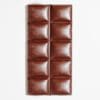
Say you melt one of our 1:1 THC:CBD Dark Chocolate bars into brownie batter. According to the product page, each 300mg package has 10 pieces, and each piece contains 15mg Delta 9 THC and 15mg CBD. That's 150mg THC in the whole package. Cut the pan into 12 brownies and, on paper, each one has about 12.5mg THC.
But that's only true if the chocolate is mixed perfectly evenly, and home batters rarely are. One brownie could end up with much more than its share, and another with much less. Throw in some heat loss, and nobody really knows what's in each square.
That's why the easiest approach is to dose by the piece, not by the batch.
Smarter ways to use edibles in food and drinks
Instead of baking edibles into a recipe, try these lower-risk ideas:
- Top it, don't bake it. Bake your dessert as normal, then add a single edible piece to one serving. A chocolate square on a warm brownie or a caramel on a scoop of ice cream keeps the dose clear.
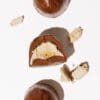
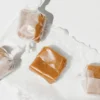
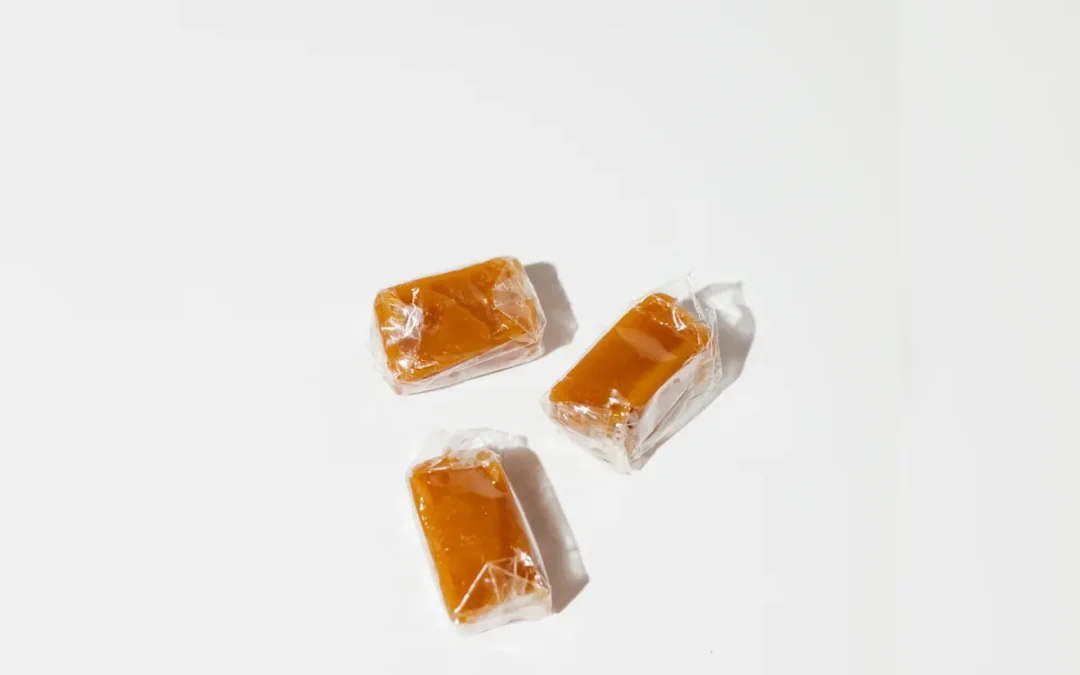
- Melt gently into a warm drink. Our 1:1 THC:CBD Buttercream Caramels product page suggests melting them in coffee. Each caramel has 15mg Delta 9 THC and 15mg CBD, so one caramel in one mug is one known dose. Use warm coffee rather than letting it sit on a burner.
- Pair, don't mix. Serve an edible on the side of a dessert plate rather than inside it. Everyone can choose their own amount.
- Use a low-dose piece for fine-tuning. Our 1:1 THC:CBD Hard Candy has 2mg Delta 9 THC and 2mg CBD per piece, which makes small, controlled additions to a cup of tea much easier.
If you're still figuring out your personal amount, our edible dosing calculator guide is a good place to start.
Can you melt THC gummies?
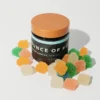
You can, but gummies are the least kitchen-friendly edible. They can scorch, turn sticky, or separate, and it's hard to tell how much of a melted gummy actually ended up in your recipe. If you like gummies, it's usually easier to enjoy one on the side. Our 12mg Delta 9 Gummies list 12mg Delta 9 THC per gummy, so one gummy is one known serving.
Safety rules for cooking with THC
Infused food looks exactly like regular food, and that's where most problems start.
- Label everything. Mark infused portions clearly, especially leftovers in a shared fridge.
- Store it away from kids and pets. A study of national poison center data found that reported edible cannabis exposures in children under 6 rose from 207 cases in 2017 to 3,054 in 2021, with most happening at home and about 22.7% of children admitted to the hospital (Tweet et al., 2023).
- Never serve it without consent. Only adults 21+ who know exactly what they're eating should have infused food. Don't mix infused and regular dishes on a party table.
- Wait before taking more. Edibles can take a while to kick in. Give the first serving plenty of time before deciding on a second.
- Don't drive after eating anything infused, and plan to stay in for the evening.
FAQ
Does baking an edible make it stronger?
No. Finished edibles are already activated. Extra heat doesn't add THC, and high heat for long periods can break some of it down.
Can I melt a THC chocolate bar into a recipe?
You can, but it's hard to dose. If you do, work out the total milligrams in the package, divide by the number of servings, and remember the actual amount per serving may vary.
What's the easiest way to add THC to a dessert?
Add a single edible piece to one serving after cooking, like a chocolate square on top of a brownie. That way each person knows their dose.
Can I put a THC caramel in my coffee?
Our 1:1 THC:CBD Buttercream Caramels product page suggests melting them in coffee. One caramel has 15mg Delta 9 THC and 15mg CBD.
How should I store infused leftovers?
Label them clearly and store them out of sight and out of reach of children and pets, separate from regular food.
Sources
- Tonoyan L, et al. Heating of consumer cannabis oils can lead to free radical initiated degradation, causing CBD and THC depletion. Free Radic Biol Med. 2022.
- Carrera DÁ, et al. Thermal Conversion of Cannabinoids in Hemp Flower: Decarboxylation Kinetics and Potential Accumulation of Δ9-Tetrahydrocannabinol. ACS Omega. 2026.
- Tweet MS, Nemanich A, Wahl M. Pediatric Edible Cannabis Exposures and Acute Toxicity: 2017-2021. Pediatrics. 2023.
For adults 21+ only. Contains hemp-derived THC. Do not drive or operate machinery after use. Keep out of reach of children and pets. Not for use if pregnant or nursing. May cause a failed drug test. Talk to your doctor before use if you take medication or have a medical condition. These statements have not been evaluated by the FDA. This product is not intended to diagnose, treat, cure, or prevent any disease.