




You opened a new bottle, popped the top off, now you have a glass dropper in your hand. How much goes in? Where does it go? How long do you wait before swallowing?
If you're searching "CBD tincture how to use," here's the short answer. Shake the bottle. Fill the dropper to the serving size printed on the label. Release the oil under your tongue, hold it there for the time the label suggests (often somewhere between 30 and 90 seconds), and then swallow. That's the basic routine.
Details like bottle strength and timing matter more than most people expect, and everyone responds a little differently. Keep in mind that CBD products sold in stores are not FDA-approved treatments for any health condition. This guide walks you through each step, explains what the science does and doesn't show, and covers the safety points every beginner should know.
What Is a CBD Tincture?
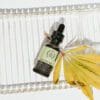
Think of a CBD tincture as hemp-derived CBD in liquid form, packed in a small bottle with a dropper built into the cap. Because you measure it drop by drop, it's easy to keep your amount small and steady.
CBD (cannabidiol) is one of many compounds found in the hemp plant. On its own, it doesn't cause the "high" linked to THC.
Tincture vs. CBD Oil: Are They the Same Thing?
Close, but not exactly, even though stores use the two names almost interchangeably. A traditional tincture uses alcohol to pull compounds from the plant and hold them in liquid. CBD oil uses a carrier oil instead, such as MCT (coconut-derived) oil or hemp seed oil.
Today, most dropper bottles sold as "tinctures" are actually oil-based. The way you use them is the same. Check the ingredient list if you want to know which one you have.
How Tinctures Compare to Other CBD Products
CBD products come in many forms, and each one fits a different routine. Gummies and CBD softgels give you a fixed, pre-measured amount in each piece. CBD topicals like salves and balms go on the skin, not in the mouth. Vapes are inhaled, with their own trade-offs (see our guide to the benefits and limits of CBD vapes).
Full-Spectrum, Broad-Spectrum, and Isolate
The label will usually list one of these three types:
- Full-spectrum contains CBD plus other natural hemp compounds, including small amounts of THC.
- Broad-spectrum keeps many of those plant compounds but is processed to remove most or all THC.
- Isolate is purified CBD with nothing else from the plant.
This choice matters if you get drug tested or want to avoid THC completely. More on that in the safety section below. You can compare options in our CBD collection.
CBD vs. CBN vs. CBG Oils: Don't Grab the Wrong Bottle
Many hemp shops sell several oils that look almost identical. Same bottle, same dropper, different main ingredient. Before you take your first serving, check the front label for the cannabinoid name.
CBD (cannabidiol) is the most studied of the three. CBG (cannabigerol) and CBN (cannabinol) are sometimes called "minor" cannabinoids because the plant makes less of them. Research on CBG and CBN in people is still very limited, so be cautious of any product that promises specific results.
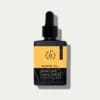
At Ounce of Hope, for example, the Full-Spectrum Ascend CBG Oil and the Full-Spectrum Descend CBN Oil sit next to our CBD oils and tinctures. The under-the-tongue method in this guide works the same way for all of them. But the serving size, strength, and contents are different, so read each label on its own. And since Ascend and Descend are full-spectrum oils, they may contain small amounts of THC.
How Sublingual CBD Use Works
"Sublingual" simply means "under the tongue." The tissue there is thin and has many small blood vessels. Some medicines are designed to dissolve there and enter the bloodstream directly.
Sublingual CBD borrows that idea. When you swallow CBD, much of it is broken down by the liver before it can circulate. Researchers who reviewed human CBD studies found that the data is limited, but animal studies suggest oral absorption is low (Millar et al., 2018). In theory, holding the oil under your tongue gives some of it a shortcut.
What the Research Actually Shows About Sublingual CBD Absorption
One study in healthy men compared CBD oil taken as drops under the tongue with the same oil swallowed in capsules. Blood CBD levels looked about the same either way. The researchers suggested that much of the oil was likely swallowed before the mouth could absorb it (study summary).
That doesn't make the method pointless. It's how most tincture labels direct you to take them, and it's an easy routine to keep consistent. Just don't count on faster or stronger results. Scientists are still working out how much CBD the mouth actually absorbs from oils.
To grow high CBD cannabis, start with CBD-rich genetics, give your plants steady light, food, and airflow, and test them as they flower. Harvest on time, then dry and cure slowly. Your seeds decide how far a plant can go. Everything you do after that decides how close it gets.
This guide is written for a few different readers: people who buy CBD flower and wonder how it's made, licensed hemp growers planning their next crop, and home growers in states that allow it. We grow our own hemp on an aquaponic farm here at Ounce of Hope, so this is the stuff we think about every day. If you're curious how that started, here's our story.
Before anything else, though, skip ahead to the legal section. Growing rules are strict, and right now they're also changing.
How to Use a CBD Tincture Under the Tongue
Before You Start: Read the Label and Shake the Bottle
Start with the label. The serving size is usually given in milliliters (mL) or drops and the number of milligrams (mg) of CBD in that serving. Follow those directions, or the directions your doctor gives you.
Next, give the bottle a gentle shake. Plant compounds can settle over time, and shaking helps spread them evenly through the oil. Then squeeze the rubber bulb, dip the dropper in, and release the bulb slowly so it fills. Many droppers have marks on the glass, which help you stop at the right line.
Placing the Tincture Under Your Tongue
A mirror helps the first few times. Lift your tongue toward the roof of your mouth. Hold the dropper just above the floor of your mouth and squeeze gently so the oil lands under your tongue.
Close your mouth and try not to let the dropper touch your mouth or tongue. Saliva can carry bacteria back into the bottle and shorten its shelf life. If you do touch it, rinse and dry the dropper before putting it back.
How Long to Hold It, and What to Do Afterward
Most tincture labels suggest holding the oil under your tongue for somewhere between 30 and 90 seconds. Use your product's direction if it gives one. Try not to swish or swallow during that time.
After that, swallow the rest. Many people wait a few minutes before eating or drinking, just so the oil isn't washed away right away. There's no strong research on an exact wait time, so treat this as a habit, not a rule.
Understanding CBD Serving Sizes, Droppers, and Strength
Two bottles can look identical and hold very different amounts of CBD. So "one dropper" tells you very little on its own.
How to Work Out the CBD in One Dropper
Look for two numbers on the label: the total CBD in the bottle (in mg) and the bottle size (in mL). Divide the first by the second, and you get the CBD in each milliliter.
Let's try a made-up example. Say a 30 mL bottle holds 1,500 mg of CBD. That works out to 50 mg in every milliliter. If a full dropper holds 1 mL, one dropper gives you about 50 mg. A half dropper gives you about 25 mg.
Now picture a 30 mL bottle with 600 mg of CBD. Each milliliter holds 20 mg. Same dropper, less than half the CBD. This is why switching brands or strengths without checking the label can catch people off guard. Also, not every dropper holds exactly 1 mL, so trust the label's mL markings over guesswork.
Serving Size on Label vs. Medical Advice on Dosing
The serving size on a CBD product label is the amount recommended by the manufacturer for that particular product. This is not a medical dose. It is not individualized to your body, health or medicines.
The FDA has not set a safe daily amount for CBD in consumer products. It has said there are still open questions, such as how much CBD it takes to trigger known risks and what happens with daily use over long periods (FDA). If you want a personal amount for a health reason, that conversation belongs with a doctor or pharmacist.
Why Starting Low Makes Sense
A lot of first-timers begin with the smallest serving on the label and stick with it for a while. That way, you get a feel for how your body reacts, side effects included. Avoid raising the amount on your own. If you feel you need more, talk with a healthcare professional first. A simple log of what you took and how you felt makes that talk more useful. Our low-dose starter guide explains the same logging idea for THC products.
When to Take a CBD Tincture
Some people take their tincture in the morning. Others prefer the evening as part of a wind-down routine, which is where interest in CBD for relaxation often comes from, though CBD isn't proven to work for these uses. CBD can cause drowsiness in some people. Until you know how it affects you, avoid taking it before driving or using machinery.
Food may also play a role. Fatty meals can change how much CBD your body takes in, so taking it the same way each time (with food or without) helps keep things consistent. If your doctor gave you a schedule, follow theirs.
How Long Does a CBD Tincture Take to Work?
Honestly, nobody can give you a fixed number, so be wary of any product that promises an exact time. In the human studies researchers have reviewed, the time for CBD to reach its highest level in the blood varied widely across products and methods (Millar et al., 2018).
Some people report noticing changes fairly soon. Others notice little at all, especially early on. So the smartest move is patience: wait and pay attention instead of reaching for another serving just because "nothing happened." Give each serving plenty of time, and judge your routine over days, not minutes.
Can You Swallow a CBD Tincture or Mix It Into Food and Drinks?
Absolutely. Not everyone enjoys holding oil in their mouth, and swallowing it right away is fine. You can also stir it into a smoothie, yogurt, oatmeal, or a spoonful of honey. Oil and water don't mix well, so it may float on top of plain drinks. Something creamy or thick tends to blend better.
When you swallow CBD, it goes through your digestive system and liver first. That may change how much reaches your bloodstream and how long it takes, compared with the label's directions. Measure your serving before you mix it in, so you still know how much you're taking.
Prefer not to measure at all? Ready-made options exist, from gummies to cannabis infused honey. Check the label carefully, though, since many of these blends contain THC as well as CBD.
Why Responses to CBD Vary From Person to Person
Two people can take the same serving from the same bottle and feel different things. The product's carrier oil, spectrum type, and strength all play a part. So do serving size, whether you've eaten, your weight and metabolism, and any medicines you take, since some drugs change how CBD is processed (and CBD can change how they're processed). Taking it at random times also hides patterns. Your own notes will tell you far more than a friend's story or a stack of online reviews.
How to Read a CBD Tincture Label
Total CBD vs. CBD per Serving
The big number on the front is usually the total CBD in the whole bottle. The number that matters day to day is the CBD per serving, often printed on the back or side. If only the total is listed, use the math above.
Carrier Oils, Flavorings, and Other Ingredients
The ingredient list shows the carrier oil (such as MCT or hemp seed oil), any flavorings or sweeteners, and any added cannabinoids like THC, CBG, or CBN. Check it for anything you're sensitive to, including tree nuts or coconut.
Batch Numbers, Dates, and QR Codes
Look for a batch or lot number, a best-by or expiration date, and often a QR code. That QR code or batch number should lead you to the lab report for the exact batch in your hand. If a product shows no batch number and no way to see test results, treat that as a warning sign. You may also see a "total THC" figure. Our explainer on what total THC means on a hemp label breaks that number down.
Choosing a Quality CBD Tincture: Why Cannabis Lab Testing Matters
The FDA has raised concerns that some CBD products contain more or less CBD than the label claims. It has also flagged possible contamination with things like pesticides and heavy metals (FDA). Independent cannabis lab testing is how you check what's really in the bottle.
A lab report is often called a Certificate of Analysis, or COA. When you open one, look for these things:
- Potency: Is the amount of CBD the same as what’s on the label? What is the THC percentage?
- Contaminants: Test for pesticides, heavy metals, residual solvents and microbes like mold and look for passing results.
- Batch match: The batch number on your bottle should match the one on the report.
- The lab: It should be a third-party lab, not the brand testing itself, ideally with an accredited status listed.
- The date: A recent test is more useful than an old one.
You can see how this looks in practice on the Ounce of Hope lab results page. Whatever brand you choose, a company that shares its testing openly makes it easier for you to make an informed choice.
Side Effects, Medication Interactions, and Safety Precautions
CBD has a gentle reputation. Still, the FDA is clear that it isn't risk-free. Only one CBD drug, the prescription medicine Epidiolex, is FDA-approved, and it's used for specific seizure conditions. Store-bought CBD products haven't gone through that review.
Possible Side Effects
The FDA lists drowsiness, stomach upset (such as diarrhea or less appetite), and mood changes like irritability among the effects seen with CBD. It also notes that CBD can cause liver injury, which may happen without obvious symptoms (FDA). Stop using the product and contact a healthcare provider if something feels off.
Medication Interactions
CBD can affect how your body handles other medicines, and other medicines can affect how your body handles CBD. This is a real concern for people who take prescription drugs, especially ones with a narrow safety range. Mixing CBD with alcohol or other products that cause sleepiness may also add to drowsiness.
THC and Drug Tests
Full-spectrum tinctures contain small amounts of THC by design. Even broad-spectrum or isolate products can hold traces if labeling or processing isn't accurate. Over time, THC from a CBD product could lead to a positive drug test. If testing matters for your job or sport, check the lab report for THC and think carefully about whether a CBD product is worth the risk.
Who Should Talk to a Doctor First
Check with a healthcare professional before using CBD if you take any prescription medicine, have liver problems or another health condition, or have an upcoming surgery. The FDA advises against using CBD while pregnant or breastfeeding. Ounce of Hope products are for adults 21 and over, and every tincture should be kept away from children and pets.
How to Store a CBD Tincture
Light, heat, and air can break down plant compounds over time. Keep your bottle in a cool, dark place like a cabinet or drawer, away from the stove and sunny windowsills. Most tinctures come in dark amber or blue glass for this reason, so keep it in the original bottle.
Close the cap tightly after each use and follow any storage notes on the label. If the oil smells sour, looks cloudy, or is past its date, replace it. Keep it up high, away from kids and pets.
Common Beginner Mistakes to Avoid
Guessing is the big one. People squeeze a "full dropper" without checking how much CBD that holds, then switch to a stronger bottle and keep the same habit. Always match your serving to the label of the bottle in your hand.
Another is impatience. Taking a second serving because the first didn't seem to work can leave you with more than you planned. And skipping the lab report means guessing about what's actually in the bottle.
Putting Your CBD Tincture Routine Together
Using a CBD tincture under the tongue comes down to five steps: read the label, shake, measure, hold, and swallow. The real care goes into knowing how much CBD is in each serving, checking the lab report, and remembering that the science on sublingual absorption is still unsettled.
Start with the label's smallest serving, keep notes, and bring a healthcare professional into the picture if you take medicines or have health concerns. When you're ready to compare options, you can browse our CBD oils and tinctures alongside their published lab results.
Frequently Asked Questions
Do you swallow CBD oil after holding it under your tongue?
Yes. Hold it for the time your label suggests, often 30 to 90 seconds, and then swallow what's left.
Is holding CBD under the tongue better than swallowing it?
It hasn't been clearly proven. One study found similar blood CBD levels from sublingual drops and swallowed capsules. Holding it under your tongue is still the method most labels recommend.
Should I take a CBD tincture with food?
Either way can work. Food, especially fatty meals, can change how much CBD your body absorbs, so taking it the same way each time keeps things consistent.
Can a CBD tincture cause a failed drug test?
It can. Full-spectrum products contain small amounts of THC, and other types can hold traces. Check the lab report for THC if testing matters to you.