





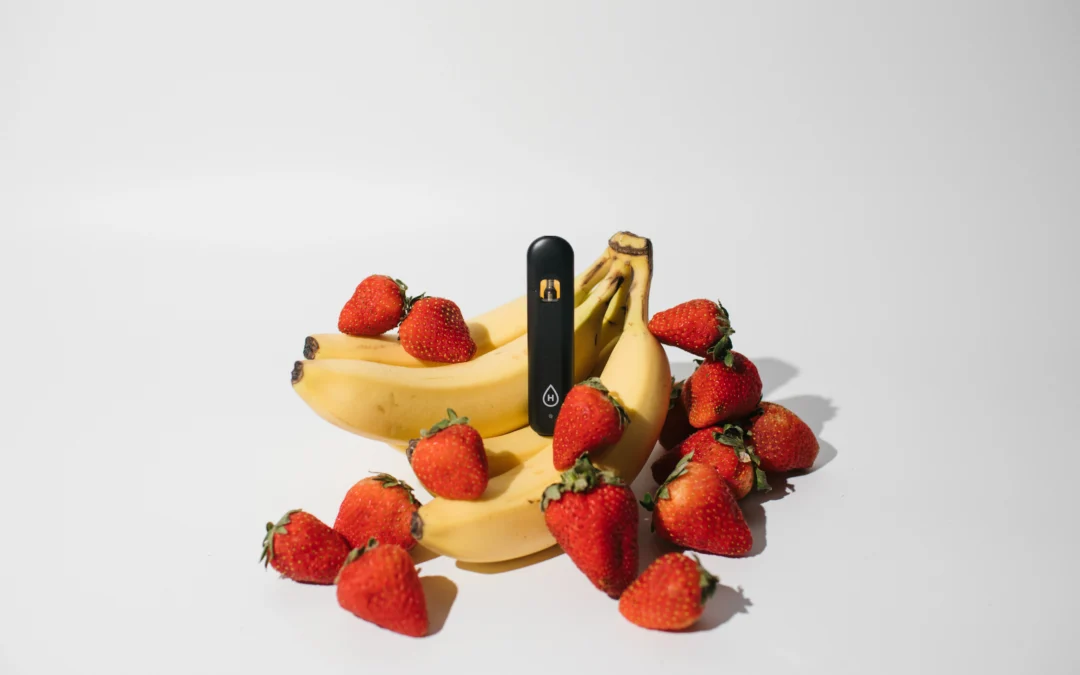
Most people who vape CBD say they do it to unwind. That’s a personal experience, not a proven result. The FDA hasn’t approved CBD vapes or CBD wellness products, and research on inhaled CBD is still thin. So the honest answer to “does it help?” is: it depends, and nobody can promise you a result.
If you’re looking into the benefits of CBD vape use, you likely want to know three things. What do people use it for? Does the science back it up? Is it safe? We’ll go through each one. Along the way, we’ll compare vaping with gummies and tinctures, and show you how to check a product before you trust it. This isn’t medical advice, and your experience may not match anyone else’s.
What Are the Benefits of CBD Vape Use That People Talk About?
When people talk about the benefits, they usually mean feeling calm or finding it easier to wind down. Those are self-reports. Science hasn’t confirmed them for CBD vaping, and no one can guarantee them.
Commonly reported experiences
Evenings come up a lot. People say they reach for a CBD vape pen after work or at the end of a long day. Many describe using CBD for relaxation. Some like the ritual as much as anything: a few quiet minutes, no screen, no rush.
That detail matters. What we expect, and where we are, can change how we feel after almost any product. So part of the effect may come from the routine itself. Add in the differences between people, and one person may notice a lot while the next notices nothing.
Why “everyday wellness” is not treatment
“Everyday wellness” is about general habits that help you feel good. Treatment is about a medical condition. CBD vapes aren’t approved to treat, cure, or prevent anything, and nothing in this article suggests otherwise. If a health concern is on your mind, a healthcare provider is the right place to start.
What Are Hemp-Derived CBD and CBD Vaping?
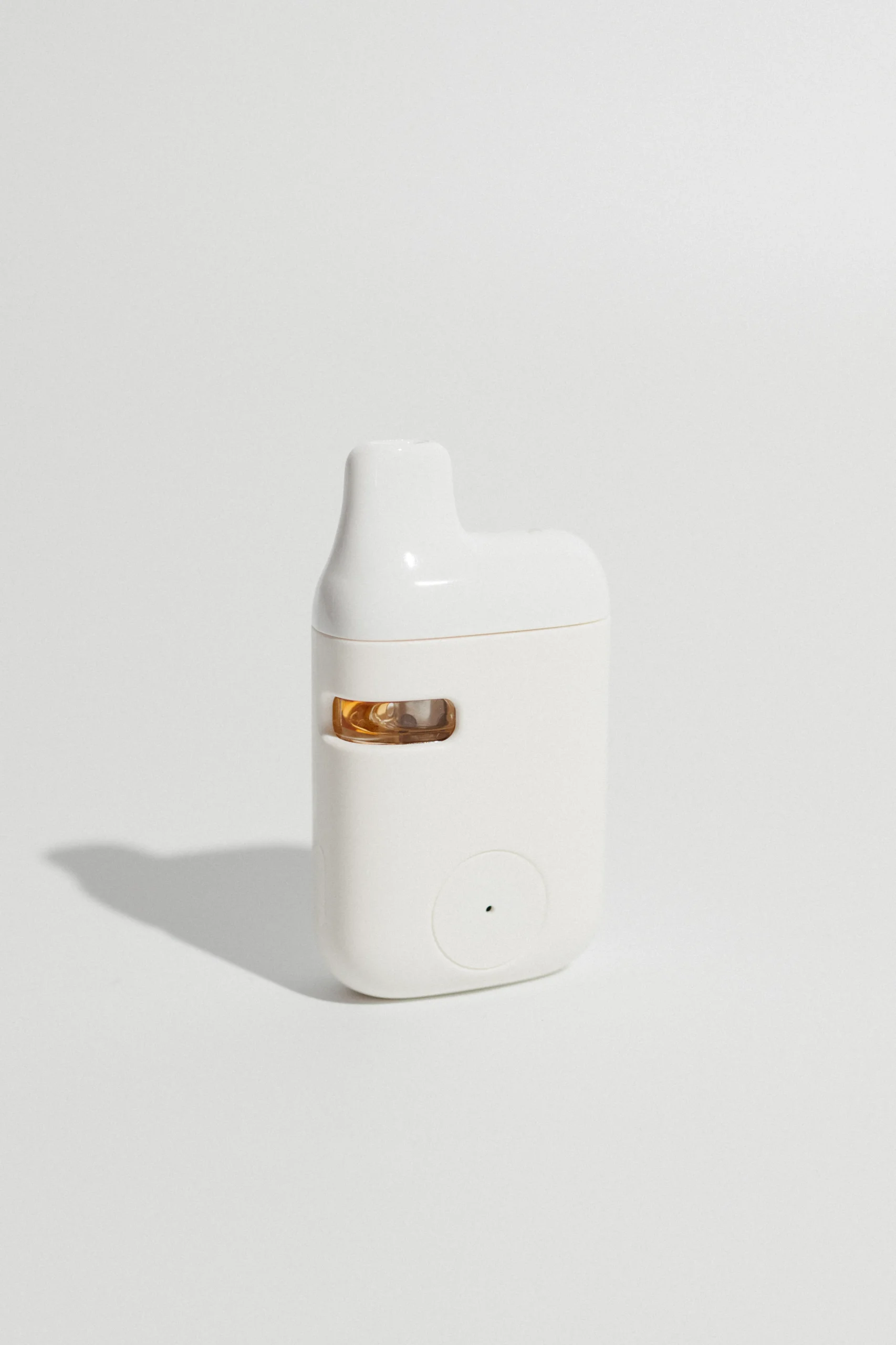
CBD vaping means heating a CBD product and breathing in the vapor. Three things shape the experience: the CBD, the liquid that carries it, and the device that heats it.
What hemp-derived CBD is
CBD is short for cannabidiol, a compound found in cannabis plants. It doesn’t cause the high that THC does. Hemp-derived CBD comes from hemp, which U.S. federal law defines as cannabis with no more than 0.3% delta-9 THC by dry weight. Want the full background? Our CBD and hemp basics guide covers it.
CBD vape pen, CBD vape cartridge, and CBD vape liquid
These terms get tangled. CBD vape liquid (sometimes called vape oil or e-liquid) is the liquid itself. It usually contains a carrier, which is a base liquid that thins the CBD so it can vaporize. A CBD vape cartridge is a small container pre-filled with that liquid. The CBD vape pen is the battery and heating part, and some pens are all-in-one disposables.
How these differ from CBD flower
CBD flower is dried hemp bud. There’s no liquid or carrier in it. People smoke it or heat it in a dry-herb device. Burning plant material makes smoke, which is a different experience from vaping a liquid and comes with its own questions.
What smokeless vape THC CBD products are
Smokeless vape THC CBD products contain both compounds. “Smokeless” simply means the product is heated, not burned. THC is the part of cannabis that can cause intoxication. A CBD-only vape aims to have little or no THC, but only the label and the lab report can tell you for sure.
How Does Inhaling CBD Compare With Gummies, Tinctures, and Capsules?
Inhaled CBD generally enters the bloodstream through the lungs, while swallowed CBD goes through digestion first. Because of that, many people notice inhaled CBD sooner. Exact timing varies from person to person.
Absorption and onset
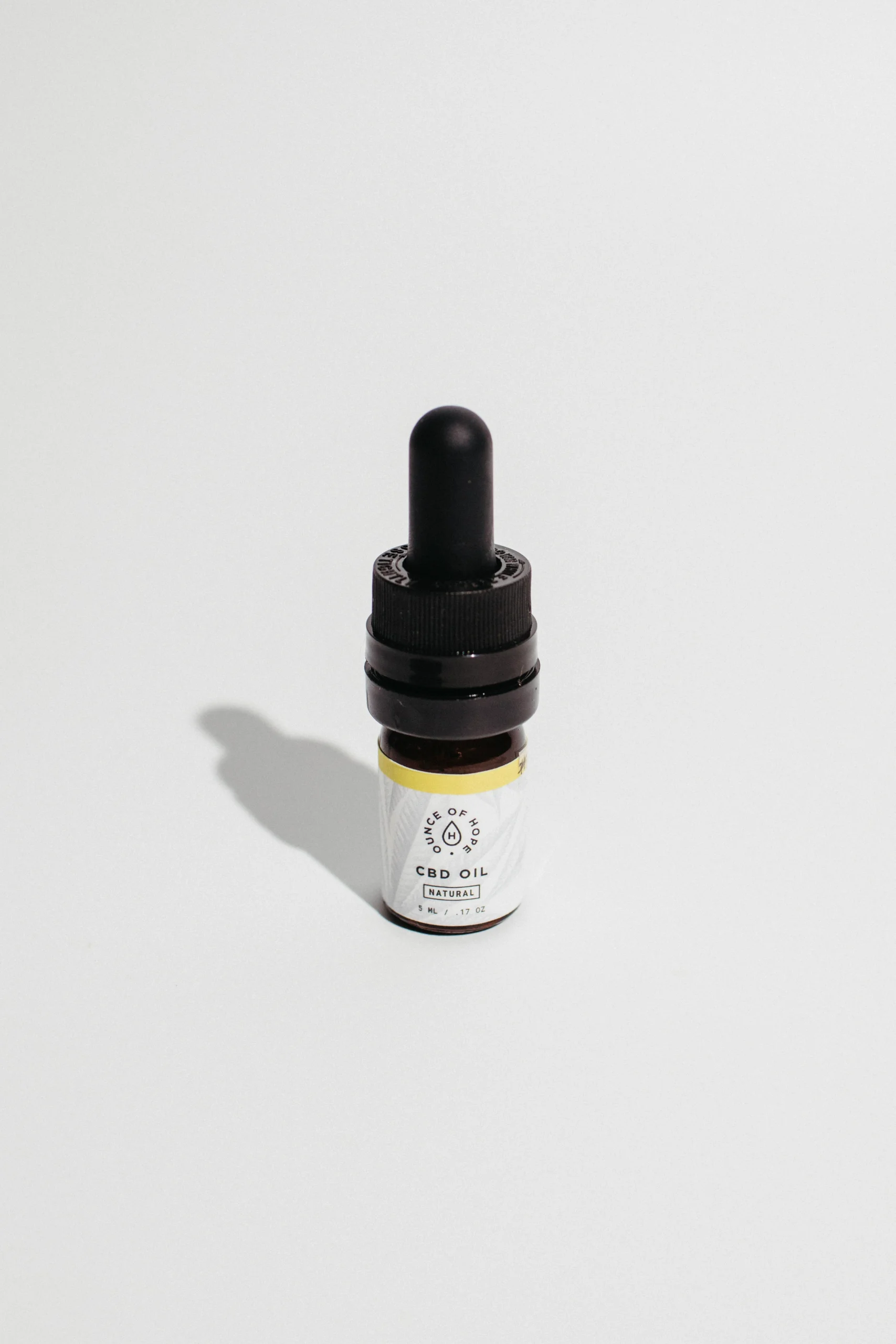
With vaping, vapor moves through the lungs and into the blood. Gummies and capsules travel through the stomach and liver, which usually takes longer. Tinctures are drops from a dropper. Depending on the label, you may hold them under the tongue or add them to food or a drink, and that choice can change how quickly you notice anything.
Why experiences differ by method
Faster doesn’t mean better. Inhaling raises lung health questions, which we get to below. Edibles feel slow, and that can tempt people to take more too soon. Every method has trade-offs, so the right fit depends on your comfort level, your health, and what the label says.
What Does the Research Show, and What Is Still Unknown?
The strongest evidence involves one prescription medicine for certain seizure conditions. For over-the-counter CBD vapes and wellness products, the evidence is limited, and the FDA hasn’t approved them.
The one FDA-approved CBD drug
The FDA has approved just one CBD prescription drug, Epidiolex. It’s a purified oral solution, approved in 2018, for seizures linked to certain rare conditions. A doctor oversees its use, and it’s not the same thing as a CBD vape. The FDA has also said CBD can cause liver injury and may interact with other medicines. Side effects such as drowsiness have been reported too.
What’s still unknown about CBD vaping
Researchers are still looking at CBD and things like relaxation, sleep, and mood. Results so far are early and mixed. There’s little long-term data on inhaling CBD specifically. Store-bought products also vary, so they may not match what was used in studies. The FDA has pointed out that some CBD products don’t contain the amount of CBD listed on the label.
CBD Vape Safety: What Should You Know Before You Inhale?
Vaping means breathing in heated substances, and the long-term effects of many of them aren’t well understood. Risk tends to go up with low-quality products, unknown additives, and faulty devices. Knowing where the risks come from makes it easier to decide calmly.
Lung health, heated carrier oils, and additives
Heating a carrier or flavoring can create substances that weren’t in the bottle to begin with. An ingredient can be fine to swallow or put on skin and still be a poor choice to inhale. Vitamin E acetate is the best-known example. It’s common in supplements and skin products, but the CDC says it may interfere with normal lung function when inhaled.
What the CDC and FDA say about EVALI
EVALI stands for e-cigarette, or vaping, product use-associated lung injury. An outbreak in 2019 and early 2020 sent thousands of people in the U.S. to the hospital. The CDC says vitamin E acetate, an additive in some THC-containing vape products, is strongly linked to it. Most cases involved THC products, especially ones from informal sources like friends or dealers, and the CDC and FDA advise against using those.
These findings centered on THC products, not CBD-only vapes from brands that test openly. Still, the takeaway for CBD vape safety holds: what’s in the liquid matters.
Unregulated and counterfeit cartridges
Counterfeit cartridges often copy real packaging, so a familiar box doesn’t prove much. Labels on illicit products may list ingredients that aren’t actually inside. Poorly made products can also carry contaminants such as pesticides or heavy metals. Buying from sellers who publish batch-specific lab results lowers the odds of an unpleasant surprise.
Hardware risks
Vape pens run on lithium batteries. Cheap batteries, damaged devices, and mismatched chargers can overheat. Use the charger made for your device, and avoid leaving it plugged in unattended for long stretches. Stop using a pen that’s swollen, cracked, or unusually hot. The CDC also warns against modifying a device in ways the maker didn’t intend.
Smokeless Vape THC CBD Products: What About THC, Legality, and Drug Tests?
These products contain THC and CBD so some people may feel high.’ Rules vary by country, state, and product. So something sold in one place may be restricted or banned in another.
Why THC content matters
THC can affect coordination, judgment, and reaction time. Sensitivity varies a lot, and small amounts can matter to some people. Check the THC amount on the label, and don’t drive or run machinery if you feel any impairment.
Why legal status varies
U.S. federal law defines hemp by its THC level, but states add their own rules. Some limit inhalable hemp products or set age minimums. Other countries treat CBD and THC very differently. Check the rules where you live before you buy.
Drug tests
Most drug tests look for THC or its byproducts. Some CBD products contain small amounts of THC, and labels aren’t always accurate. Smokeless vape THC CBD products make a positive result more likely. If you’re tested for work or sport, ask your employer or a healthcare provider first.
What Does “Hemp-Derived” Actually Tell You?
“Hemp-derived” tells you the plant source and the legal category. It doesn’t tell you a product is safe, pure, or free of intoxicating compounds. Think of it as a sourcing label, not a quality seal.
Plenty of shoppers assume hemp-derived means non-intoxicating. That isn’t always so. A hemp-derived product can still contain THC, within legal limits, or other cannabinoids that may be intoxicating. Two products with the same label can contain different things. The lab report, not the word “hemp,” shows what’s really inside.
Why Does CBD Affect People Differently?
A lot of things shape how someone responds, and no two people are exactly alike. That’s why no one can promise a specific result or timeline.
Body chemistry matters, along with age, weight, and any other medicines. The product matters too: its type, its quality, and how much CBD it holds. Your device changes things, since heat settings affect how the liquid vaporizes. Tolerance, dose, and how often you use CBD add more variation. Even you may feel different from one day to the next.
What Are Common Misconceptions About CBD Vaping?
Three ideas come up again and again, and none holds up well.
The first is “it’s just harmless vapor.” Vape vapor is an aerosol, not water vapor. It can carry heated carrier ingredients, flavorings, and tiny particles.
The second is “more CBD means better results.” There’s no solid evidence that a bigger amount works better. More can mean more side effects, and the FDA has raised concerns about liver injury and drug interactions. Stick with the label.
The third is “all cartridges are the same.” They really aren’t. Ingredients, testing, and hardware quality vary a lot from one product to the next.
Prefer Not to Inhale? How to Take CBD Gummies and Other Options
If inhaling isn’t for you, gummies, tinctures, and capsules are common alternatives. The label is your best guide to servings and timing. Not sure? Ask a pharmacist or healthcare provider.
How to take CBD gummies
Knowing how to take CBD gummies mostly comes down to reading the label. Check the serving size and stick to it. Many labels suggest starting with the smallest serving and waiting before you take more. Gummies take time to digest, so patience pays off. Because they look like candy, keep them away from children and pets. Our CBD gummies show what clear serving information looks like.
Tinctures, capsules, and other edibles
Tinctures come with a dropper, and labels may tell you to hold drops under the tongue or stir them into food or a drink. Capsules are swallowed like any supplement. Other edibles work much like gummies. For all of them, serving size, timing, and storage come from the label, not from guesswork.
How Can You Choose a Quality CBD Product?
Look for a clear label, a recent third-party lab report, and a company that’s open about where its product comes from. None of this guarantees anything, but it cuts down the guesswork.
How to read a CBD vape cartridge label
A solid CBD vape cartridge label should show:
- A batch or lot number
- A full ingredient list, including the carrier and any flavorings
- Total cannabinoid content, with both CBD and THC listed
- The maker’s name and contact details
- A QR code or link to a lab report for that batch
- Age and safety warnings
A label that says very little usually gives you very little to trust.
How to read a COA
A COA, or certificate of analysis, is a report from an independent lab about one specific batch. Check that the lab name and date are listed, and that the batch number matches your product. Then read the cannabinoid results, including THC. Look for contaminant testing too, like pesticides, heavy metals, and residual solvents. Our lab testing page explains what we publish. The same checks apply to CBD flower.
Red flags of poor-quality products
Be cautious if you see any of these:
- No lab report, or one that doesn’t match the batch number
- Claims that a product cures or treats a condition
- No ingredient list, or no THC amount listed
- A price far below similar products
- Sloppy packaging or no company contact details
Who Should Be Cautious, and When Should You Talk to a Healthcare Provider?
Some people should take extra care or skip CBD vaping: people on medications, anyone pregnant or nursing, people with lung conditions, and those under the legal age. A healthcare provider can give advice that fits your health.
The FDA has warned that CBD can interact with some medications, so if you’re on any prescription drugs, talk to a doctor or pharmacist first. The FDA also advises people who are pregnant or breastfeeding to avoid CBD. If you have asthma or another lung condition, inhaling anything may not be a good idea. The same goes for liver concerns, since the FDA has flagged liver injury as a CBD risk. Age limits exist for good reason, so minors shouldn’t use these products.
If you cough, feel chest pain, or have trouble breathing after vaping, stop and get medical care.
CBD vaping is popular, and people have their own reasons for trying it. The honest picture has two sides. Many people report feeling relaxed, but those are personal experiences, and the research on CBD vapes is still catching up. Safety depends on the product, the ingredients, the device, and you. Read labels, check lab reports, and talk to a healthcare provider when you’re unsure. Good habits count for more than any promise on a package.
Frequently Asked Questions
Is CBD vaping safe?
Nobody can call CBD vaping proven safe, and the FDA hasn’t approved CBD vapes. Inhaling heated oils and additives raises lung health questions, and counterfeit or low-quality cartridges add more risk. Brands that share batch-matched lab reports, a reliable device, and advice from a healthcare provider can help you choose wisely.
Why do people take CBD vapes?
Most people say they use CBD vapes to relax or wind down after a long day. Those are personal reports, not proven results. The FDA hasn’t approved CBD vapes for any health purpose, and what people feel depends on the product, the dose, and the individual.
Does CBD vaping work faster than gummies?
Often, yes. Inhaled CBD enters the bloodstream through the lungs, while gummies go through digestion first, so many people notice vaping sooner. Gummies tend to take longer. Still, timing differs from person to person, and neither method suits everyone. Whatever you choose, follow the product label.
Is hemp-derived CBD the same as CBD from marijuana?
The CBD molecule is the same either way. What differs is the plant it comes from and the law around it. U.S. federal law defines hemp as cannabis with very low THC, while marijuana has more. A hemp-derived label doesn’t promise a product is THC-free, so read the lab report.
Can a CBD vape cause a positive drug test?
It can. Drug tests usually look for THC, and some CBD products contain small amounts, or more than the label states. Smokeless vape THC CBD products make a positive result more likely. If you’re tested for work or sport, check with your employer or a healthcare provider before using any CBD product.