







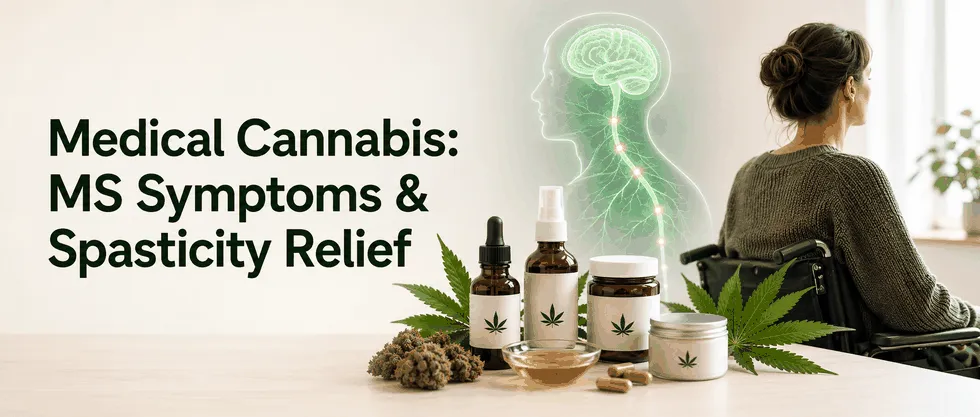
Anyone living with multiple sclerosis knows the diagnosis is just the start. The real fight happens daily, in stiff mornings and unpredictable afternoons. A growing number of patients are now asking their doctors about medical cannabis for MS symptoms, especially spasticity. This piece walks through what's actually known, not just the hype.
Understanding Multiple Sclerosis and Its Symptoms
Doctors still can't fully explain why multiple sclerosis develops the way it does. What's clear is that MS symptoms rarely look the same twice, even in the same patient. Fatigue one week, numbness the next. That unpredictability is half the battle.
Overview of Multiple Sclerosis
Multiple sclerosis is an autoimmune disease, meaning the body's own defenses turn on it. Specifically, the immune system attacks myelin, the coating that protects nerve fibers. Once that coating gets damaged, signals between the brain and body slow down. Sometimes they stop getting through at all. There are a few recognized types of MS, where relapsing-remitting is the most common one people hear about. Others progress steadily rather than in flare-ups, which changes how doctors approach treatment. Nobody has pinned down a single cause yet. Genetics probably play a part. So might vitamin D, smoking, or even certain viral infections, though nothing's fully settled. What matters most for patients is catching it early. Earlier diagnosis tends to mean more options down the road, and that's nothing.
Common Symptoms Experienced by MS Patients
Fatigue is the one almost everyone with MS mentions first. Not regular tired, but the kind that doesn't lift after a full night's sleep. Then there's the physical stuff: weak limbs, poor coordination, numbness that comes and goes without warning. Vision gets blurry for some, doubled for others. A lot of patients don't talk about the bladder and bowel issues, but they're common and genuinely disruptive. Thinking clearly can get harder too. People lose words mid-sentence or struggle to focus on something simple. Depression and anxiety often tag along, which makes sense given everything else going on. And then there's spasticity. Stiff, involuntary muscle contractions that can honestly be one of the worst parts of the whole disease. Because the symptom list is so long and so personal, no two treatment plans should look identical.
The Impact of Spasticity on Daily Life
Try getting dressed when your legs won't cooperate. Sleeping through the night while your muscles keep seizing up on their own. This is spasticity, and it turns small tasks into genuine obstacles. Some patients get sudden spasms with zero warning, which can happen at work, at the store, anywhere. Left unmanaged long enough, it can lead to joint problems and even less mobility over time — a rough cycle, since less movement usually makes the stiffness worse. There's an emotional weight too, one that doesn't get talked aboChoosing the right product takes some honest trial and errorut enough. Watching your own independence shrink, bit by bit, wears on people. Quite a few patients say spasticity bothers them more than the fatigue does, which surprises people who haven't lived it. Physical therapy and muscle relaxants help some, but not everyone gets relief from them. That gap is part of why medical cannabis has entered the conversation.
The Role of Cannabis in Managing MS Symptoms
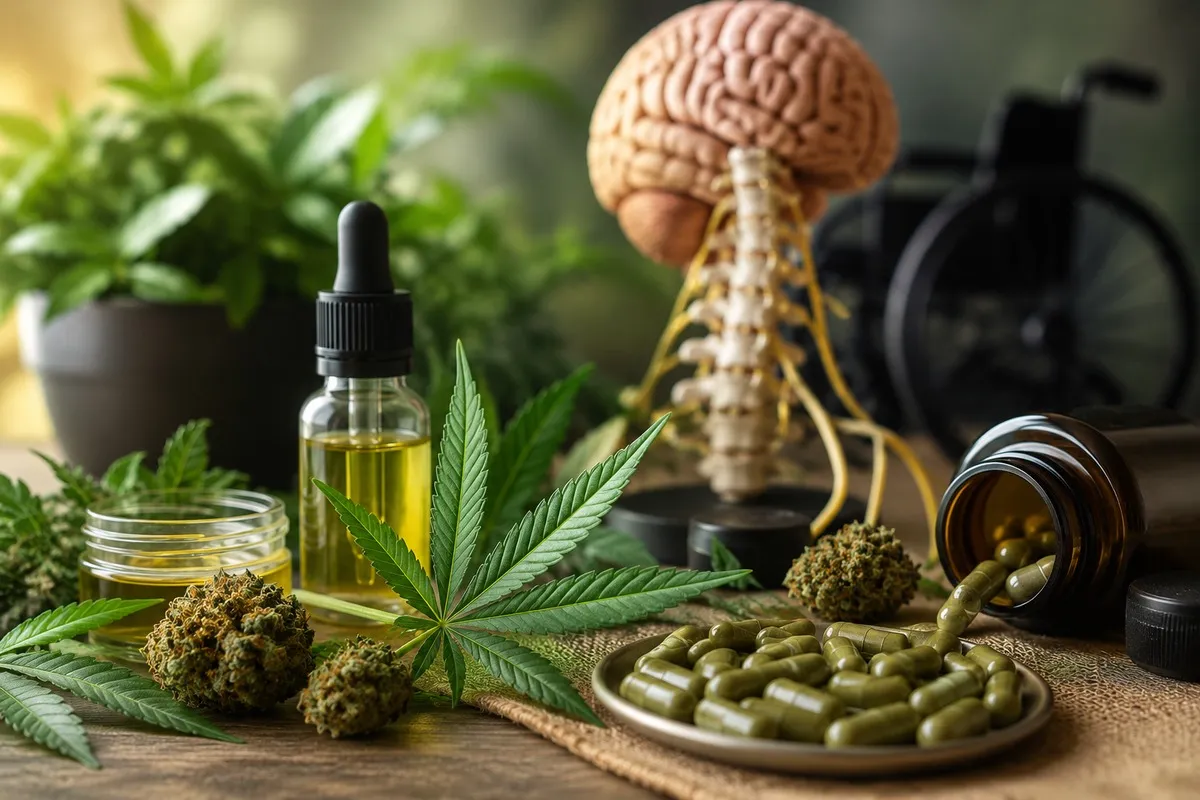
Cannabis for MS isn't a new idea, but it's getting more serious attention lately. The theory centers on the endocannabinoid system, which the body already uses to manage pain and muscle tone. Patients report real, if inconsistent, relief from stiffness and chronic discomfort.
How Cannabis Affects MS Symptoms
Cannabis contains cannabinoids, compounds that latch onto receptors spread throughout the nervous system. THC is the one most people know, and it seems to ease muscle spasms for a fair number of patients. CBD works differently — anti-inflammatory, and without the high THC produces. Together, the theory goes, they calm down nerve signals that are firing too aggressively, which is what drives spasticity in the first place. Some patients also notice better sleep, which naturally chips away at daytime fatigue. Pain relief comes up often too. But here's the catch: responses vary a lot from person to person. What eases one patient's spasms might do almost nothing for someone else, and there's no way to predict it in advance.
Medical Cannabis Options for MS Patients
Patients exploring medical marijuana for MS quickly run into a simple truth: there's no single right answer. Strains, ratios, and delivery methods all change the outcome in different ways. Most people land on something through trial, error, and honest conversations with a provider who actually knows this territory.
Types of Medical Marijuana for MS
THC-dominant strains tend to go after spasticity and pain more directly than CBD-heavy ones do. Indica strains get picked for nighttime use a lot, mostly because they're sedating and help with sleep too. Sativa strains work the other way, more energizing, so people tend to use them earlier in the day instead. Hybrids try to split the difference, and honestly, a lot of patients end up settling here eventually. The ratio matters just as much as the strain itself. A 1:1 THC to CBD blend shows up often, and there's a reason for that. It tends to balance out symptom relief against how intense the high actually feels. Staff at dispensaries in legal states can usually walk patients through what these ratios mean in practice. Even so, what works swings wildly from person to person. Patience genuinely pays off here more than people expect going in.
CBD and Its Benefits for MS Symptoms
CBD draws a lot of interest simply because it doesn't get anyone high. That alone makes it appealing to patients who'd rather avoid THC's psychoactive side altogether. There's some promising research around inflammation, and quite a few patients lean on it for pain relief specifically. Sleep improvements come up often in patient reports too, even in cases with barely any THC involved. Some stick to CBD oil on its own. Others pair it with a small amount of THC to round out the effect. Worth being honest here: research on CBD alone for MS symptoms is thinner than research on combined products. Still, its mild side-effect profile makes it a sensible entry point for anyone feeling cautious. Quality swings a lot between brands, so sourcing from a tested, reputable supplier genuinely matters more than people realize.
Choosing the Right Cannabis for MS Management
There's no real shortcut here. Choosing the right product takes some honest trial and error, plain and simple. Symptom severity plays a role, sure, but so does personal tolerance and how a person's day actually runs. Someone managing spasms at work needs something different than someone dealing mostly with nighttime stiffness. Talking to a doctor familiar with medical cannabis helps narrow things down a lot faster than guessing alone. Starting with a low dose and tracking effects in a journal isn't glamorous work. But it works, and that's what matters in the end. Adjusting slowly helps sidestep the worst side effects while still figuring out what actually helps. Legal access varies quite a bit depending on location too, which shapes what's realistically available to even try in the first place. Patience matters more than most people expect walking into this.
Evidence and Research on Cannabis and MS
Research on cannabis and multiple sclerosis has grown steadily over the past several years, though real gaps remain. Clinical trials show genuine promise for spasticity specifically, less so for other symptoms like fatigue. Patient testimonials, meanwhile, often run ahead of what formal studies have confirmed so far.
Current Research Findings on Cannabis and Multiple Sclerosis
Several trials have zeroed in on nabiximols for spasticity, and results have generally leaned positive, if mixed. A fair number of patients in these studies reported meaningful symptom reduction compared with placebo. Pain and sleep quality show some improvement in smaller studies too, though sample sizes stay limited. Fatigue and cognitive symptoms haven't shown the same steady benefit, and that's worth saying plainly. Long-term data is still fairly thin, since most trials only run for weeks or a few months. Even with that caution, the overall direction of the evidence leans favorably for spasticity relief in particular. Larger, more rigorous trials are still needed before treatment guidelines shift in any major way.
Patient Testimonials and Case Studies
Ask around any MS support group, and cannabis comes up pretty quickly in conversation. Many patients describe real, tangible relief from stiffness and spasms after giving it a try. Some talk about sleeping through the night for what feels like the first time in years. Others say the effect fell flat, or came with side effects that outweighed whatever benefit showed up. Case studies published in smaller journals tend to echo this same mixed picture overall. What stays consistent is just how personal the response seems to be, patient to patient. These accounts aren't proof by themselves, but they do point researchers toward what's worth studying next.
Future Directions in Cannabis Research for MS
Researchers keep pushing for larger, longer trials that follow patients over years instead of weeks. There's growing interest in isolating exactly which cannabinoids do what, rather than treating cannabis as one single thing. Better dosing standards would help too, since inconsistent products make comparing studies genuinely difficult right now. Some scientists are exploring whether cannabis might slow disease progression, not just ease day-to-day symptoms. That question stays wide open and far from settled at this point.
Genetic factors might explain why response varies so much from one patient to another, and that's an active area too. As legal barriers ease up in more regions, research access is slowly getting easier as well. It's a slow-moving field, honestly, but it's moving in a clearer direction than it was even a decade back.
Adverse Effects and Considerations
Medical cannabis isn't risk-free, and patients deserve a clear, honest picture before starting anything. Its side effects range from mild annoyance to disruptive, depending on dose and individual sensitivity. A conversation with a healthcare provider should always come before trying it, no exceptions really.
Potential Side Effects of Cannabis Use
Dizziness and dry mouth top the list of commonly reported side effects among users. Some patients feel groggy or foggy, especially with higher THC doses in the mix. Short-term memory can take a hit too, which matters a lot for anyone already dealing with cognitive symptoms. Anxiety, ironically enough, shows up in a subset of users despite cannabis's reputation for being calming. Heart rate can climb temporarily after use, which is worth knowing for patients with existing cardiac concerns. Tolerance builds over time, and that sometimes pushes people toward higher doses than they originally started with. Not everyone runs into these effects, but they're common enough that it pays to plan. Starting low genuinely reduces the odds of running into them early on in treatment.
Safety Considerations for MS Patients
Interactions with existing MS medications are a real concern here, not just a hypothetical worry. Cannabis can amplify drowsiness caused by other drugs, which raises fall risk for patients already dealing with mobility issues. Driving or operating machinery after use isn't advisable, even with products marketed as mild or low-dose. Pregnant patients, or those planning a pregnancy, should avoid cannabis use altogether, per most current medical guidance. Storage matters too, especially in households with children or pets wandering around. Legal status still varies quite a bit by state and country, so checking local law matters before buying anything at all. Quality control differs a lot between regulated dispensaries and unregulated sources selling on the side. Sticking with tested, lab-verified products lowers the risk of contamination or wildly inconsistent dosing.
Consulting Healthcare Providers About Cannabis Use
Bringing this up with a doctor shouldn't feel awkward, though plenty of patients hesitate anyway out of habit. A good provider will ask about current medications before suggesting anything involving cannabis use. They can also flag interactions a patient might not think to mention on their own. Some neurologists specialize specifically in MS and cannabis, and seeking one out genuinely helps. Being honest about use, even if a doctor seems skeptical at first, matters for basic safety reasons. Providers can help set realistic expectations too, since cannabis won't work miracles for absolutely everyone. Follow-up appointments let patients adjust dosage based on what's actually happening day to day, not just guesswork. That ongoing back-and-forth tends to matter more, in the long run, than the first prescription ever does.
Conclusion
Medical cannabis offers real, if imperfect, hope for people managing MS symptoms and spasticity day to day. The evidence backs its use for muscle stiffness more firmly than it does for symptoms like fatigue. Every patient responds differently, which is exactly why personalized guidance matters more than any general rule. Talking openly with a healthcare provider remains the safest starting point for anyone considering this route. Research keeps evolving, and the options available to people navigating multiple sclerosis will likely keep growing alongside it.
Short, dense summaries like a TL;DR are actually the hardest thing to make read as "human" since they're naturally compressed and list-like. Here's another pass with a rougher, more conversational voice.
TL;DR
Managing multiple sclerosis is hard, and spasticity tends to be one of the toughest parts. A lot of patients are finding real relief through medical cannabis, whether that's oils, sprays, edibles, or topicals. It's not a cure, and it won't work the same for everyone. But paired with regular treatment and a doctor's input, cannabis for MS is worth at least asking about.
FAQs
1. Does medical cannabis really help with MS spasticity?
For a lot of people, yes. Nabiximols specifically has decent trial data behind it, showing real drops in spasticity scores. It's just not a sure thing. Some patients notice a big difference; others barely feel anything at all.
2. What's actually different between THC and CBD here?
THC is the one that goes after spasms and pain more head-on, but it comes with a high attached. CBD skips that part entirely and leans anti-inflammatory instead, which is why plenty of patients start there first.
3. Can I just add cannabis to my current MS medication?
Not without checking first, no. Cannabis can make drowsiness from other drugs worse, and there's a real chance of interactions depending on what someone's already taking. A quick conversation with a doctor avoids a lot of headaches later.
4. Which product should MS patients actually try first?
It depends on the person completely. Oral sprays are the most studied option out there. Oils and capsules last longer if that's preferred. Topicals skip the high altogether. Most people land somewhere through trial and error, not a formula.
5. Will cannabis cure my MS?
No, it does not treat MS. It helps with symptoms, spasticity, pain, and sleep, but it does nothing for the disease itself. Think of it as one more tool alongside standard care, not a replacement for it.