







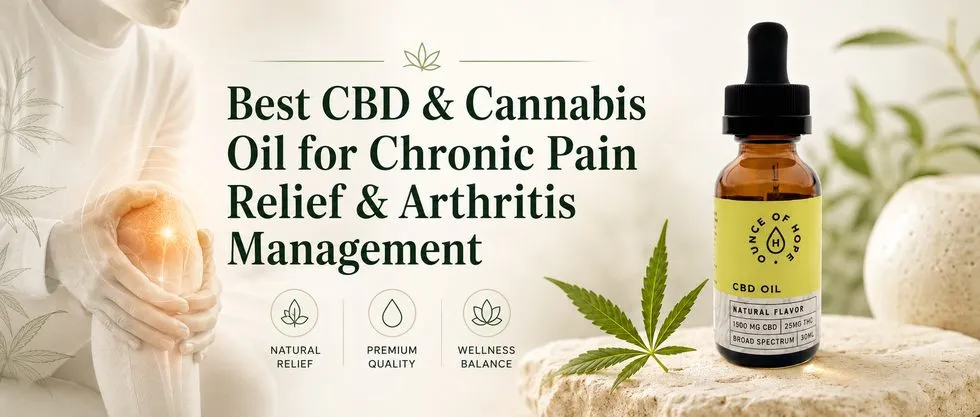
Ask anyone dealing with arthritis what mornings feel like, as stiffness comes up almost every time. That's usually the moment people start looking past their regular pill bottle for something else. CBD oil for chronic pain shows up in a lot of these conversations now, partly because patients are tired of side effects piling up over years of medication. Cannabis oil for arthritis gets mentioned just as often, especially by people who've tried everything conventional and still wake up sore. This piece walks through what these products actually do inside the body, which ones tend to work, and how to use them without guessing blindly. None of this replaces an actual doctor, but knowing the basics makes that conversation a lot more useful.
Understanding Chronic Pain and Its Management
Pain doesn't follow one script. It shifts by the day, sometimes by the hour, depending on what's actually causing it underneath. Before getting into natural pain relief options, it's worth understanding what chronic pain even means medically.
Definition and Types of Chronic Pain
Doctors generally call pain chronic once it sticks around past three months, often long after whatever caused it has healed. Nociceptive pain comes from actual tissue damage, the kind you'd feel after a sprain or during an arthritis flare. Neuropathic pain works differently, coming from damaged nerves themselves rather than the tissue around them. It tends to feel like burning, tingling, or sudden shooting sensations rather than a dull ache. Plenty of people deal with both types at once, which honestly makes treatment a lot messier to figure out.
Impact of Chronic Pain on Quality of Life
Sleep usually goes first. Pain keeps people up, and bad sleep just makes the next day's pain feel worse; it's a rough cycle. Concentration at work takes a hit too, since it's hard to focus on anything when your body's constantly demanding attention. Relationships feel it eventually, especially when pain means canceling plans or skipping things friends and family used to count on. Anxiety and low mood tend to creep in alongside long-term pain, and that combination rarely gets talked about enough. For arthritis patients specifically, stiff joints by afternoon can make even walking feel like a chore.
Traditional Pain Management Approaches
Most people start with over-the-counter painkillers, and for mild cases, that's often genuinely enough to get through the day. Doctors reserve opioids for the harder cases now, mainly because dependency risks have made long-term use a lot more controversial. Physical therapy helps more than people expect, building strength that takes some pressure off joints without needing extra medication. Steroid injections work for arthritis too, though the relief usually fades within a couple of months at most. A growing number of patients now mix these older approaches with newer options, chasing something that actually holds up long term.
The Role of CBD and Cannabis in Pain Relief
CBD for pain relief has picked up serious interest lately, mostly from people burned out on medications with rough side effects. Here's what's actually going on when cannabinoids interact with pain in the body.
What is CBD and How Does it Work?
CBD comes from the cannabis plant, same as THC, but it won't get you high the way THC does. Inside the body, it interacts with receptors tied to inflammation, pain signaling, and how the nervous system regulates itself. This is the key difference from THC, since CBD doesn't mess with coordination or clear thinking the way a high would. Some early research points to CBD reducing inflammation at a cellular level, which matters a lot for arthritis conditions. Most users don't feel instant relief either; it tends to build gradually over days or weeks of consistent use.
Exploring the Endocannabinoid System
The endocannabinoid system is basically the body's own built-in network for regulating pain, mood, appetite, and inflammation. Two receptor types do most of the work: CB1 mostly in the brain, and CB2 mostly scattered through immune tissue. THC and CBD both interact with this system, though they don't hit it in the same way. Your body actually makes its own cannabinoids too, meaning some pain regulation is already happening without any supplements involved. Adding plant-based cannabinoids on top may help when that natural system isn't keeping up with chronic illness.
Cannabinoids: THC vs. CBD for Pain
THC latches onto CB1 receptors directly, which explains both the pain relief and the high that comes along with it. CBD takes a more indirect route, working the system without triggering intoxication, which suits people who need to stay clear-headed. A lot of newer products blend both together, since some research suggests they actually work better as a pair than alone. People call this the entourage effect, and it's still being studied fairly actively right now. Picking between THC and CBD really comes down to tolerance, what's legal locally, and whatever symptom you're actually trying to treat.
Best CBD Products for Chronic Pain and Arthritis
Walk into any dispensary or wellness aisle now, and the sheer number of CBD products can feel overwhelming fast. Best CBD products for pain usually come down to a handful of formats actually worth knowing before you buy.

CBD Oil: Benefits and Uses
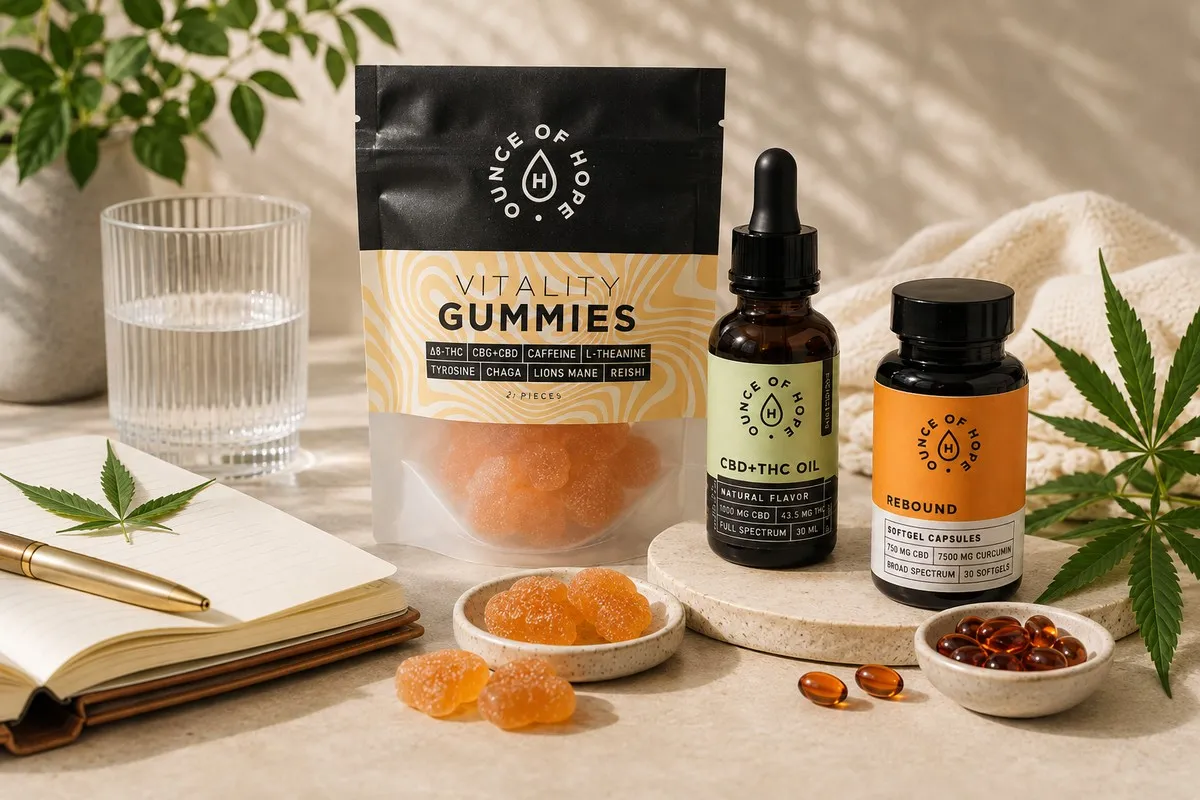
CBD Oil remains the go-to format for most people starting, mostly because dosing is straightforward once you get the hang of it. A few drops under the tongue absorb fairly quickly, often working faster than a gummy or capsule would. Arthritis patients tend to like this oil specifically because doses adjust easily depending on how bad a flare-up gets. Some people mix it into food or drinks instead, though that slows absorption compared to taking it directly. Concentration varies a lot between brands, so checking milligrams per serving matters more than most buyers realize at first.
CBD Gummies: A Convenient Alternative
Gummies solve the taste problem oil sometimes creates, since plenty of people just don't love the earthy flavor. Each piece usually contains a fixed dose, which takes a lot of the guesswork out compared to counting oil drops. They take longer to kick in, though, since digestion has to happen before anything actually reaches your bloodstream. For arthritis patients managing steady, predictable pain rather than sudden flares, that slower onset honestly isn't much of a downside. Portability counts for something too; gummies travel a lot easier than a glass bottle of oil ever could.
Choosing the Right CBD for Pain Management
Third-party lab testing should be the first thing anyone checks before buying, full stop, no exceptions here. A Certificate of Analysis confirms the milligram count on the label actually matches what's inside the bottle. Full-spectrum products contain a broader spectrum of cannabinoids, while isolates contain only CBD with no other ingredients mixed in. Broader-spectrum options sometimes work better for arthritis specifically, thanks to that entourage effect mentioned earlier. Starting with a lower-strength product and working up slowly beats guessing at a high dose right out of the gate.
Using Cannabis for Pain Relief: Benefits and Risks
Cannabis has real benefits to bring to the table, but it’s not without tradeoffs worth understanding before jumping in. Cannabis for pain relief works well for many people. The results and risks can vary quite a bit from person to person.
Therapeutic Benefits of Cannabis for Chronic Pain
Patients using cannabis for chronic pain often report better sleep alongside the pain relief itself, which matters more than people expect. Muscle relaxation shows up frequently too, particularly helpful for arthritis patients dealing with stiffness on top of joint pain. Some users find cannabis reduces reliance on stronger prescription painkillers, cutting down side effects tied to long-term opioid use. Anxiety around chronic illness often eases somewhat as well, since pain and stress tend to feed off each other constantly. Results build gradually for most people, rarely showing up as one dramatic, overnight improvement.
Risks and Side Effects of Using Cannabis
THC-heavy products carry a real risk of impairment, something arthritis patients still working or driving need to seriously factor in. Dry mouth and mild dizziness are common, especially for people just starting with any new product. Tolerance builds over time too, meaning doses that worked initially may need adjusting every few months. Interactions with other medications are worth flagging to a doctor, since cannabis can affect how certain drugs get metabolized. Long-term smoking specifically carries its own respiratory risks, which is exactly why oils and edibles often get recommended instead.
Legality and Accessibility of CBD and Cannabis Products
CBD derived from hemp remains legal in most places now, though THC content restrictions still vary quite a bit by region. Generally, medical cannabis access requires a doctor's written recommendation, depending entirely on local regulations. Moreover, recreational cannabis laws differ even more, with some states allowing open sales and others banning it completely. Buying through licensed dispensaries matters for safety, since regulated products go through testing that unlicensed sellers simply skip. Checking local laws before ordering online or traveling with any cannabis product really is worth the extra five minutes.
How to Effectively Manage Chronic Pain with CBD
Getting real results from CBD usually comes down to consistency rather than any single miracle dose. This section covers how to actually build that into a daily pain management routine.
Dosage Guidelines for Taking CBD
Most guidance suggests starting low, often around 10 to 20 milligrams daily, then adjusting based on how your body responds. Waiting several days before increasing a dose helps you actually gauge whether it's working before adding more. Body weight, metabolism, and pain severity are important factors that decide what dose eventually feels right for you. Keeping a simple log of dose and symptoms makes it much easier to spot patterns over a few weeks. There's no universal number that works for everyone, so treat early dosing as genuine trial and error.
Integrating CBD into Your Pain Management Routine
Same time every day, that's really the whole trick behind getting CBD to actually work well. Random, whenever-you-remember dosing just doesn't build the same steady effect in your system. It also works better when paired with something else, especially physical therapy, rather than hoping one product can fix everything on its own. Some people do better with a morning dose if stiffness hits hardest early in the day. Others lean toward taking it at night, mostly chasing better sleep alongside the pain relief itself. Many arthritis patients end up using two formats together: oil for the everyday baseline and a topical rubbed directly onto whatever joint is acting up that week. Slotting CBD into a routine you already have, instead of turning it into its own separate thing, just makes people stick with it longer.
Monitoring Effects and Adjusting Use
Write it down regularly. Seriously, even a rough note on your phone about pain, sleep, and mood beats trying to remember how last week felt. Memory plays tricks on people dealing with chronic symptoms, since a bad day tends to overshadow three decent ones before it. If things plateau after a couple months of steady use, that's usually your body adjusting, not the product failing outright. Dosage probably needs a small bump at that point rather than switching products entirely. Watch for drowsiness that feels heavier than expected, or digestive changes that show up out of nowhere. If you're on other medications, flag any new symptom to your doctor sooner rather than later. This whole process is much easier to handle than jumping straight to a larger dose. Just make small adjustments slowly, one at a time.
Conclusion
Relief from CBD oil for chronic pain and cannabis oil for arthritis rarely shows up overnight, and that's honestly fine. It builds slowly, through consistent use, the right product, and a dose that's actually right for your body. Loop your doctor in before starting anything new, keep track of what's working, and adjust as you go. That's really the whole approach: patience paired with attention.
TLDR:
Nobody wants to live around their pain forever, and honestly, most standard treatments only get people so far. CBD and cannabis oil have become real options for arthritis patients, though the relief usually builds slowly, not overnight. Getting the right product, dosing it sensibly, and actually tracking how you feel makes a bigger difference than people expect. Start with your doctor, then let your own results guide what comes next.
FAQs
1. Can CBD oil interact badly with arthritis medications?
It can, especially if used with blood thinners or some anti-inflammatory drugs often given for arthritis. CBD is metabolized in the liver in a way that can alter how other medications work in your body. It is really helpful to mix CBD oils with anything else and should be the first step for anyone to take advice from a professional doctor.
2. How long does it take for CBD to actually start helping with arthritis pain?
Give it two to four weeks of steady work. Use it daily to expect any real difference. This isn't the kind of relief that hits fast as an over-the-counter painkiller would. Sticking with a consistent dose matters more here than taking it only when pain flares up.
3. Which one should I use, cannabis oil or CBD oil for faster pain relief?
Mostly, it comes down to THC content, and higher THC usually means a stronger overall effect on pain. Cannabis oil tends to work quicker too, though impairment comes along with that strength for a lot of users. Which one fits better really depends on tolerance, daily routine, and what's legally available nearby.
4. Are CBD products really Safe for older adults with Arthritis?
Most can, though a lower starting dose makes more sense for older adults than for younger users. Metabolism shifts with age, so CBD can build up in the body a bit differently than expected. Consulting with a doctor in advance still matters, as there can be better options.