








Delta-8 THC has exploded in popularity over the last few years, but so have the questions around whether it’s actually safe.
Unlike traditional cannabis products sold through state-regulated markets, many hemp-derived delta-8 products exist in a much murkier space. Some are carefully tested and manufactured. Others may contain contaminants, inaccurate labeling, or questionable ingredients.
So, is delta-8 safe?
The honest answer is: it depends heavily on what you buy, how much you take, and whether the product was manufactured responsibly.
That uncertainty is exactly why delta-8 safety has become one of the biggest conversations in hemp.
Here’s what to know before buying.
What Is Delta-8 THC?
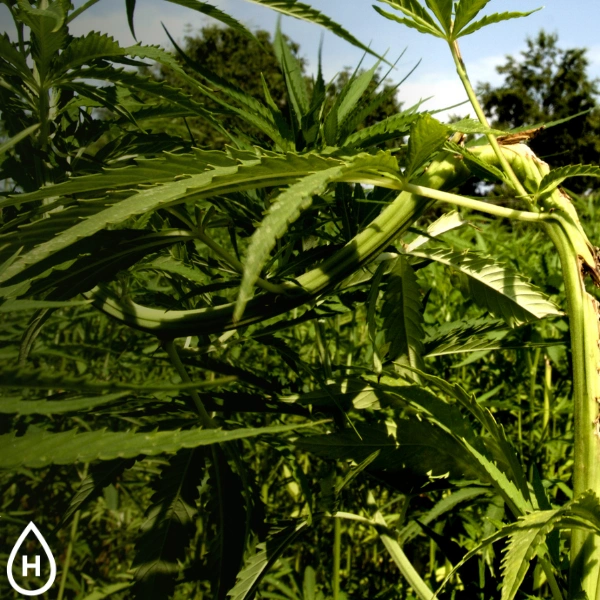
Delta-8 THC is a cannabinoid naturally found in hemp and cannabis plants, though usually only in very small amounts.
If you’ve heard of delta-9 THC, the primary intoxicating compound in weed, delta-8 is often described as a close relative. The two cannabinoids share a similar chemical structure and can produce similar effects, though many consumers describe delta-8 as feeling less intense than traditional THC.
Because hemp plants naturally produce very little delta-8, most products on the market are not made by simply extracting it directly from the plant.
Instead, manufacturers typically convert hemp-derived CBD into delta-8 through a chemical process. That does not automatically make delta-8 unsafe, but it does explain why safety conversations around delta-8 tend to focus less on the cannabinoid itself and more on how products are manufactured, tested, and purified.
That distinction matters because not all delta-8 products are created equally.
Common Delta-8 Side Effects
Like delta-9 THC, delta-8 can produce intoxicating effects and may cause side effects, particularly at higher doses or among inexperienced consumers.
Some of the most commonly reported side effects include:
- Dry mouth (yes, cottonmouth still exists here too)
- Red eyes
- Drowsiness or fatigue
- Dizziness
- Slower reaction times
- Anxiety or paranoia at higher doses
- Short-term memory issues
- Increased heart rate
- Brain fog or grogginess the next day
Side effects can vary significantly depending on:
- Dosage
- Product type (gummies, vapes, tinctures, etc.)
- Individual tolerance
- Whether other substances are involved
- Product quality and purity
One person’s experience with delta-8 may look completely different from someone else’s, which is one reason starting with lower doses is generally recommended.
Researchers are also still learning about the long-term effects of delta-8 THC. Because many products only became widely available in the last several years, long-term safety data remains limited.

The Biggest Risk: Poor Manufacturing and Contamination
When experts raise concerns about delta-8 safety, they are often talking less about the cannabinoid itself and more about how products are made.
Because most delta-8 is created through CBD conversion processes, manufacturing quality matters enormously.
Potential problems can include:
Residual Solvents
Chemical solvents may be used during production. Without proper purification and testing, unwanted residues could remain behind.
Unknown Byproducts
Poorly controlled conversion processes may create unintended compounds that are not always identified or tested for.
Heavy Metals and Pesticides
Low-quality hemp sourcing or inadequate testing can increase contamination risks.
Inaccurate Potency Labels
Some products may contain significantly more or less THC than advertised.
Unverified Products
Products sold without testing documentation leave consumers with very little information about what they are actually buying.
One easy rule of thumb:
If a company cannot easily show you what is inside their product, that should raise questions.
This is also why many consumers avoid purchasing cannabinoid products from:
- Gas stations
- Convenience stores
- Unverified marketplaces
- Brands with missing lab reports
- Products with unusually low prices
The reality is that high-quality delta-8 products do exist. The challenge is learning how to separate them from products that cut corners.
How to Read a Certificate of Analysis (COA) Before Buying Delta-8
A Certificate of Analysis, usually called a COA, is one of the most useful tools consumers have when evaluating whether a delta-8 product was manufactured responsibly.
A COA is a third-party lab report that shows what is actually inside a product and whether it was tested for contaminants.
If a company does not provide lab testing information, that should immediately raise questions.
When reviewing a COA, here are some of the biggest things to look for:
| What To Check | Why It Matters |
| Cannabinoid potency | Confirms the amount of delta-8 matches what appears on the label |
| Residual solvents | Helps identify whether leftover chemicals remain from manufacturing |
| Heavy metals testing | Screens for contaminants like lead, arsenic, or mercury |
| Pesticide screening | Verifies the product was tested for common agricultural contaminants |
| Microbial testing | Helps identify mold, yeast, or bacteria contamination |
| Batch number matching | Confirms the lab report belongs to the product in your hand |
Not all testing practices are equal, either.
At Ounce of Hope, products are tested by batch, meaning every production batch receives its own testing rather than relying on a single report applied across multiple production runs.
That matters because cannabinoid products can vary from batch to batch. Batch-specific testing helps provide a clearer picture of consistency, potency, and product quality over time.
Red Flags When Looking at COAs
Be cautious if you notice:
- No COA available at all
- Lab reports with missing pages
- Reports older than a year
- Batch numbers that do not match
- Extremely low pricing without transparency
- Products showing potency results only, with no contaminant testing
- Companies that make finding lab results difficult
A trustworthy cannabinoid company should make testing easy to find, easy to understand, and easy to verify.
Beginner Delta-8 Dosage Guidance
If you are new to delta-8, the safest approach is usually the simplest one:
Start low and give yourself time before taking more.
Different product types affect people differently, and taking too much too quickly is one of the most common reasons consumers have negative experiences.
Beginner-Friendly Delta-8 Dosing Guide
| Dose | Experience Level | What to Expect |
| 2.5mg to 5mg | Beginner | Mild effects and a good starting point for many consumers |
| 5mg to 15mg | Moderate Experience | More noticeable effects that may feel stronger for newer consumers |
| 15mg+ | Experienced Consumers | May feel intense for beginners and increase the likelihood of side effects |
A few additional tips:
- Start with a lower dose than you think you need
- Wait before increasing your dose, especially with edibles
- Avoid mixing with alcohol when trying delta-8 for the first time
- Consume in a comfortable environment
- Keep water nearby because cottonmouth is still very real
Remember that product format matters too. Gummies, vapes, tinctures, and beverages can all produce different onset times and experiences.

Is Delta-8 Legal in 2026?
Delta-8 exists in a complicated legal space.
Federally, hemp-derived cannabinoids became legal under the 2018 Farm Bill as long as products contain no more than 0.3% delta-9 THC by dry weight. That framework helped create the rapid growth of delta-8 products across the country.
However, state laws are a different story.
Some states have restricted or banned delta-8 entirely, while others regulate it similarly to cannabis products or continue allowing hemp-derived sales.
Regulations also continue changing quickly.
That means consumers should always check current state laws before purchasing delta-8 products online or in stores.
FDA oversight remains limited as well. While the agency has issued warnings around certain delta-8 products and manufacturing concerns, there is still no unified federal regulatory framework specifically designed for delta-8 products.
This legal gray area is one reason third-party testing and transparent manufacturing practices matter so much.
Final Thoughts: Is Delta-8 Safe?
So, is delta-8 safe?
The honest answer is that safety depends heavily on the product itself.
High-quality, lab-tested delta-8 products manufactured responsibly are very different from products with questionable sourcing, missing testing, or unclear ingredients.
For most consumers, the bigger question is often not whether delta-8 exists safely. It is whether the specific product in front of them was tested, verified, and produced responsibly.
That is why transparency matters.
Look for batch-specific testing. Review COAs. Ask questions. Avoid companies that make finding information difficult.
Because when it comes to cannabinoids, knowing what is inside the product matters just as much as the cannabinoid itself.