






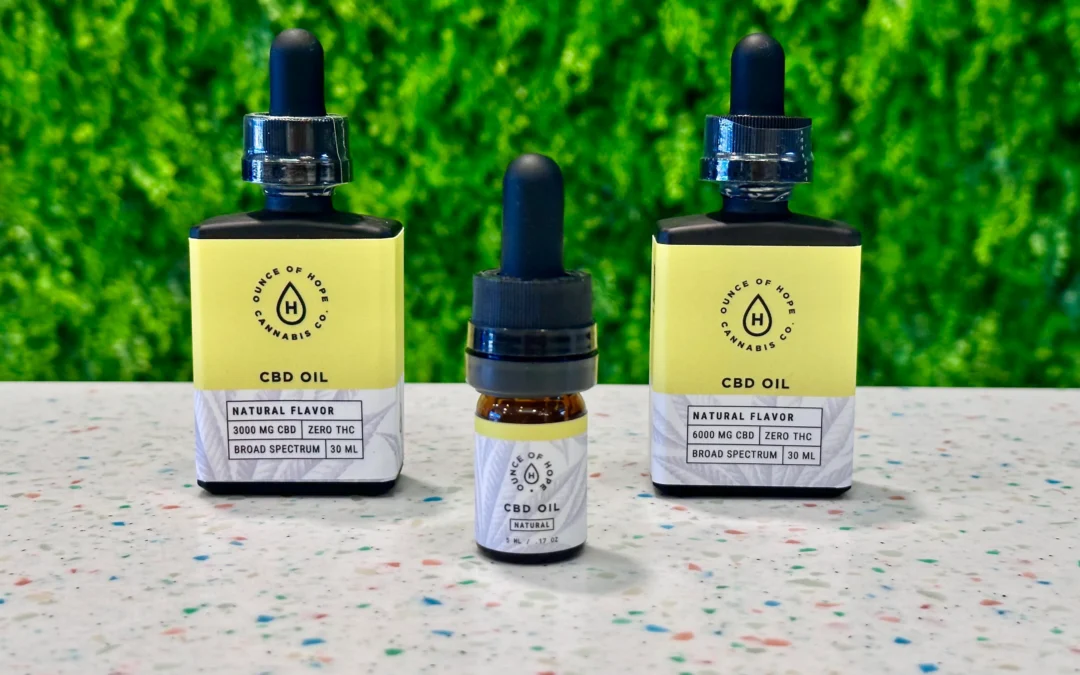
Can you smoke CBD oil? Not in any way it was designed for. CBD oil is made to be taken by mouth, and heating oils that weren’t built for inhalation can raise real lung safety concerns. For most people, the better move is to pick a product made for the way they want to use it.
The good news is that better-suited options exist. Some CBD products are made to be inhaled, and others skip the lungs altogether. This guide covers why CBD oil isn’t built for smoking, what to use instead, and how to shop with confidence. We’ll also clear up how CBD oil, vape liquid, and flower differ, since the names get mixed up often. Results vary from person to person, and this article is education only, not medical advice.
Can You Smoke CBD Oil?
No, CBD oil isn’t made to be smoked, and it isn’t a good idea to try. Oils and tincture bottles are designed for use by mouth. Heating them to breathe in is a different use from the one they were made and tested for.
Plenty of things can be heated. That doesn’t mean they’re meant for your lungs. Think of cooking oil in a kitchen. It works well in a hot pan, but nobody would suggest breathing in the smoke it makes.
CBD oil is similar. The ingredients in the bottle were chosen to be swallowed or held under the tongue. When you heat or burn them, you’re asking them to do something no one planned for.
What CBD Oil Actually Is (and How It Differs From Similar Products)
CBD oil is a liquid made by blending a hemp-derived extract that contains cannabidiol (CBD) with a carrier oil. It is one of several CBD product types, and it is often confused with CBD vape liquid and CBD flower. Each one is made for a different use.
CBD oil and CBD tinctures
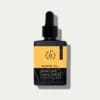
CBD oil is a dropper-style liquid, usually taken under the tongue or added to food or drink. A CBD tincture was traditionally an alcohol-based herbal extract, though many brands now use “oil” and “tincture” for similar dropper bottles. The label’s ingredient list will tell you what is actually inside.
Both are meant to be swallowed or held in the mouth. Neither is meant to be heated or inhaled.
CBD vape liquid and CBD vape cartridges
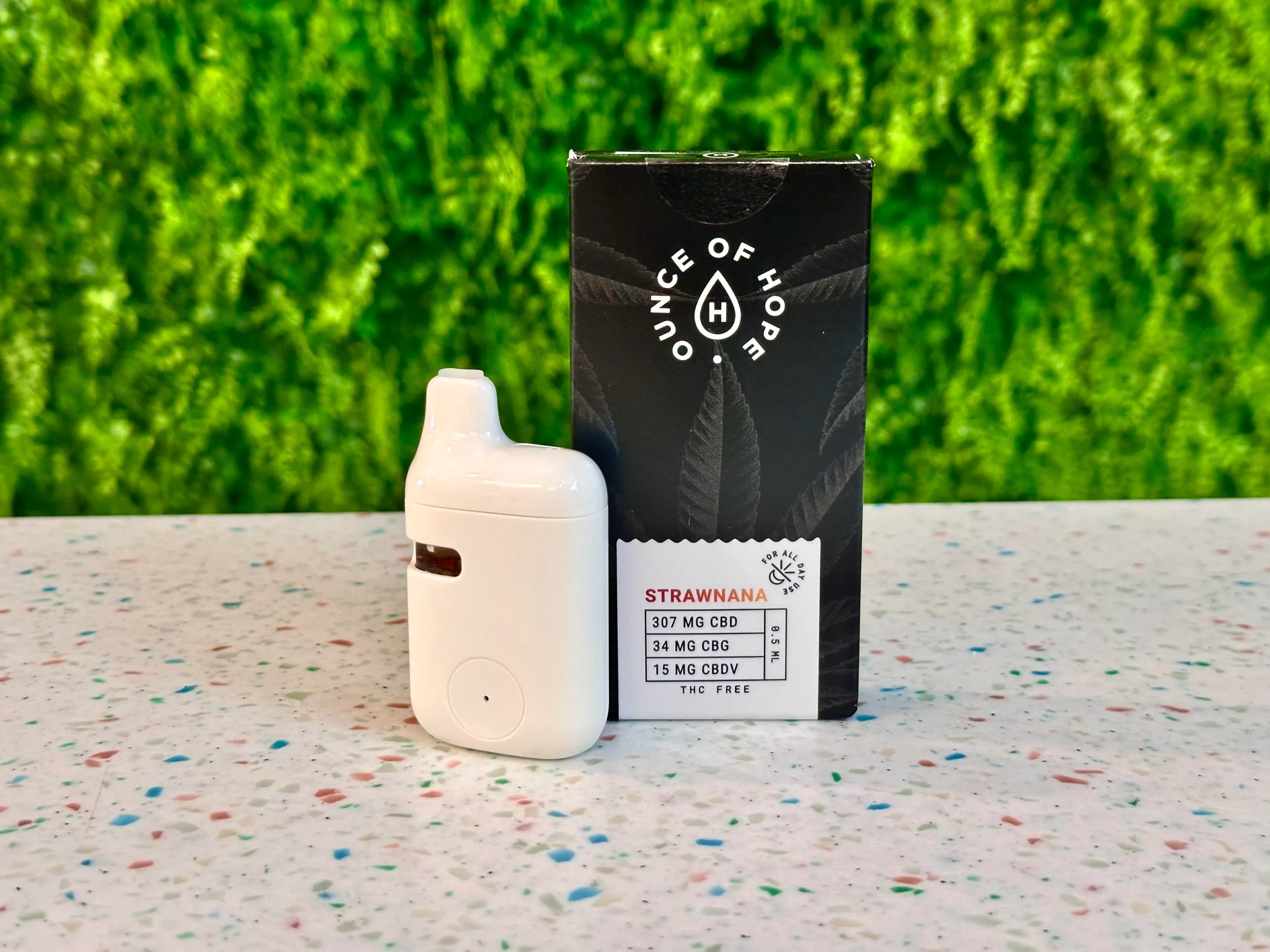
CBD vape liquid is a formula made to be heated by a vape device. A CBD vape cartridge is a sealed, pre-filled container that attaches to a compatible battery. The liquid inside is designed to thin out and turn to vapor at the temperatures those devices use.
Vape liquids are built for inhalation. That is the key difference from a tincture bottle.
CBD flower
CBD flower is the dried bloom of a hemp plant that is rich in CBD. It is sold to be smoked or used in a device made for dried plant material.
So CBD oil is a liquid for swallowing, while vape liquid is a formula built to be heated, and flower is dried plant material. The names get mixed up because they all say “CBD” on the package, and they can all look alike on a shelf. The way each one is made and meant to be used is quite different.
Why CBD Oil Isn’t Made for Combustion
Combustion means burning something. CBD oil is made to be taken by mouth, so its ingredients were chosen for that, not for heat or smoke. Once you burn or overheat an oil, you’re working outside what it was designed to do.
What carrier oils are and why they’re in the bottle
A carrier oil is a plant-based oil that holds the CBD extract and makes it easier to measure and swallow. Common examples include MCT oil, which is usually made from coconut, and hemp seed oil.
These oils are chosen because they’re gentle to take by mouth and they mix well with CBD. They are not chosen because they behave well when heated and breathed in.
What can happen when oils are heated or burned
When oils get hot, they can break down. Depending on the heat, they may give off smoke, irritating fumes, or a burnt residue. Burning anything also creates smoke made of many compounds, and the exact mix depends on what is being burned and how hot it gets.
Doctors have also long noted that oil reaching the lungs can cause problems. Lungs are built to move air, not to handle oils. We can’t say what would happen to any one person, but the general concern is real, and it’s a big reason oil-based products are not meant for inhalation.
Safety Concerns With Smoking or Heating Oils Not Made for Inhalation
Inhaling a substance that wasn’t designed for the lungs carries uncertainty, and the research on CBD itself is still limited. The U.S. Food and Drug Administration (FDA) has said there are many unanswered questions about the science, safety, and quality of CBD products. It has also noted that only one CBD medicine, a prescription drug for certain seizure conditions, has been approved.
Quality is a second concern. The FDA has raised worries that some CBD products contain more or less CBD than the label says, and that some may carry contaminants such as pesticides. The National Center for Complementary and Integrative Health (NCCIH), part of the NIH, has also pointed out that products on the market vary in quality. A study published in JAMA found many CBD products sold online had inaccurate labels.
Vaping has its own history. In 2019, the Centers for Disease Control and Prevention (CDC) investigated an outbreak of vaping-related lung injury known as EVALI. The CDC identified vitamin E acetate, an additive, as a chemical of concern among people affected. Most of those cases were linked to products containing THC, often from informal sources. The lesson reaches beyond THC, though. Additives and cutting agents in unregulated vape products can matter a lot.
People with asthma or other lung conditions have more reason for caution. Smoke and vapor can irritate airways even when a product is made for inhalation. If you have a lung condition, talk with your healthcare provider before inhaling anything.
Why Heating Oil in a Pen or Dab Rig Is Different From Using a Real Vape Cartridge
A real CBD vape cartridge is formulated, built, and meant to be inhaled, while a tincture bottle is not. Putting tincture in a pen or heating it on a dab rig swaps a purpose-built product for something that was never designed for that job.
The curiosity makes sense. Some people see it as a shortcut or a way to save money. But there are practical problems too.
Vape pens are built around thin liquids. Thick oils can clog a device, heat unevenly, or scorch. A dab rig uses high heat on a surface, and an oil with carrier ingredients isn’t made for that kind of use.
A cartridge made for inhalation isn’t a guarantee of safety, since quality still varies from brand to brand. But it has been designed with heating in mind, and a reputable maker can show you what is inside. That gives you something to check, which you don’t have with a bottle of tincture.
How Inhaling CBD Differs From Other Ways of Using It
In general, inhaled CBD tends to reach the bloodstream faster than CBD that is swallowed, with use under the tongue often falling in between. But faster doesn’t mean better or safer. The method changes how an experience feels and how long it lasts, and it changes what your body is exposed to.
When CBD is inhaled, it passes through the lungs and enters the bloodstream quickly. With CBD oil held under the tongue, some is absorbed through the tissue there, and some is swallowed. With edibles and gummies, CBD goes through digestion first. People often describe edibles as slower to start and longer lasting, though this differs from person to person.
Speed can also be a drawback. A quick onset makes it harder to judge how much is too much. And inhaling brings lung exposure that other methods skip. A slower method isn’t weaker or worse. It just works differently.
Why Experiences Vary From Person to Person
CBD affects people differently, and no single method suits everyone. Body chemistry, tolerance, product type, quality, method, and dose all play a part. Two people can use the same product and describe it in very different ways.
Body chemistry covers things like metabolism and how your body processes substances. Tolerance changes with experience. Someone new to CBD may react differently than someone who has used it for a while. Product quality matters, too. A product that holds less CBD than its label says, or more, can change the whole picture.
The method you choose adds another layer. Inhaling, swallowing, and holding under the tongue all work differently, as covered above.
Some people choose CBD for relaxation as part of an evening routine. Experiences differ, though, and CBD products aren’t approved to treat any condition. This article doesn’t give dosing guidance, because the right amount isn’t the same for everyone. A healthcare provider is the best person to talk to about that.
Common Misconceptions About Smoking CBD Oil
A few ideas come up again and again, and they’re worth clearing up.
The first is “oil is oil, so it’s all the same to smoke.” It isn’t. Oils differ in what they’re made from, how they react to heat, and what they’re built for. A salad oil, a tincture, and a vape liquid are not interchangeable just because all three are liquid and oily.
The second is “if it’s natural, it’s safe in any form.” Natural describes where something comes from, not how it behaves when burned or inhaled. Plenty of natural materials make smoke that is unpleasant to breathe. Whether something is safe depends on the form, the use, and the quality.
The third is “vape liquid and CBD oil are the same thing.” They aren’t. CBD oil is made to be swallowed, and vape liquid is a formula made to be heated in a device. The two can sound alike, but their ingredients and purposes differ.
Safer and More Suitable Options
If you want to inhale CBD, choose a product made for it. If you’d rather skip your lungs, there are good non-inhalation options. The right pick depends on your comfort, your routine, and your health.
CBD flower
CBD flower is made to be smoked or used in a device built for dried plant material. Some people like it because it’s close to the plant and has a familiar feel. It still involves smoke or vapor, so it carries the same general cautions around lung health. Look for flower with clear lab results, and check the rules where you live.
CBD vape cartridges made for inhalation
A CBD vape cartridge is made to work with a compatible battery. Check that the cartridge and device are meant to be used together. Read the ingredient list, and look for lab results that show the product was tested. Because vape products have been tied to lung-safety concerns in the past, it’s worth being picky about where they come from.
Non-inhalation options: CBD tinctures, CBD edibles, and CBD gummies
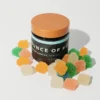
If you’d rather not inhale at all, CBD tinctures and CBD oil are made for use under the tongue or in food and drink. CBD edibles and CBD gummies are made to be eaten, so they go through digestion. These options skip the lungs and can fit into a daily routine easily, though how a person responds varies.
Matching the Method to the Moment
The best method is the one that fits your situation and your comfort level. Think about how you plan to use CBD, where you’ll be, and what you feel good about.
Convenience matters. Gummies and edibles are simple to carry and easy to take on the go. A tincture is easy to keep at home and use at the same time each day.
Discretion counts for some people. Smoking and vaping produce smoke or vapor that others can notice, while edibles and tinctures don’t.
Preference plays a role, too. Some people like the ritual of flower. Others don’t want anything to do with smoke. If you aren’t comfortable smoking, there’s no reason to push yourself. And if you have a lung condition, a method that skips inhalation may be worth discussing with your provider.
Smart Shopping: Labels, Lab Reports, Sourcing, and Local Laws
Smart shopping means checking what’s in a product, who made it, and whether it’s legal where you live. The CBD market is uneven, so a little homework goes a long way.
How to read a COA (certificate of analysis) in simple terms
A COA is a lab report from an independent, third-party lab. It shows what’s in a specific batch of a product. You don’t need a science degree to read one. Look for these basics:
- Batch number: It should match the number on your product.
- Cannabinoid results: These show how much CBD is in the product, and how much THC, if any. Compare them with the label.
- Contaminant testing: Many reports cover pesticides, heavy metals, and residual solvents.
- Lab details and date: Check that a real lab is named and that the test is recent.
If a brand can’t or won’t share a COA, that’s a reason to think twice. For a deeper look, see our guide to CBD basics and lab results.
What to check on a product label
A clear label tells you a lot about a brand. Here’s what to look for:
- The amount of CBD per serving or per container
- A full ingredient list, including the carrier oil or other additives
- A batch or lot number and a way to reach the lab report, such as a QR code
- The intended use, whether that’s oral or inhalation
- Company contact details
Be careful with labels that promise to cure or treat a health problem. The FDA has warned against unproven medical claims for CBD products, and those claims are a red flag.
Why laws differ by location, and why to check yours
Laws about hemp and CBD differ by country, by state, and sometimes by city. Some places limit certain product types, such as flower or vape products. Many set a minimum age, often 18 or 21, so check which applies to you.
Federal rules on hemp-derived products in the U.S. have also been changing. Because of that, the best source is your own state or local government, or a trusted legal resource. Don’t assume that what’s legal in one place is legal in another.
When to Talk to a Healthcare Provider
Talk to a healthcare provider before using CBD if you take medications, are pregnant or nursing, or have a lung condition. CBD can interact with some medications, and a professional can look at your full health picture. No online guide, including this one, can do that.
If you take prescription medicine, ask whether CBD could affect it. If you’re pregnant or breastfeeding, know that the FDA has raised concerns about CBD use during those times, so it’s worth a direct conversation first. And if you have asthma or another lung condition, ask whether inhaling in any form is right for you.
A provider can also help you think through goals and safety. Their input matters more than anything you read online, because they know your health history.
Choosing the Right Way to Use CBD
So, can you smoke CBD oil? It’s not what the product was made for, and there are better-suited choices. If you like the idea of inhaling, look for flower or cartridges made for that purpose. If you’d rather skip the lungs, tinctures, edibles, and gummies are made for that route.
Whatever you pick, choose products with clear labels and lab results, check your local laws, and talk with a healthcare provider if you have questions. You can browse CBD flower, CBD vape cartridges, and CBD tinctures and oil at Ounce Of Hope, or explore our CBD basics resources to learn more first. Results vary, and what works for one person may not suit another.
Reviewer note: This article is for education only. It isn’t medical advice, and it isn’t meant to diagnose, treat, or prevent any condition. Please check with a qualified healthcare provider before using CBD products.