






Short answer: The real difference in greenhouse vs indoor THCa flower is the growing environment. Indoor flower grows entirely under artificial lights in a sealed room, where the grower controls everything. Greenhouse flower grows under natural sunlight inside a covered structure, often with some added light and climate control. Neither one is automatically better. The strain, the grower, the cure, and the lab results matter more than the label.
If you've shopped our menu, you've seen both tags. Some strains say "greenhouse grown" and others say "Indoor | A Buds." Here's what those words mean and how to use them when you pick a jar.
What indoor THCa flower means
Indoor flower is grown inside a building with no sunlight at all. Grow lights stand in for the sun, and fans, air conditioning, dehumidifiers, and sometimes added carbon dioxide handle the rest. Because the grower sets the light schedule, temperature, and humidity, every run can be dialed in.
That control is the main reason people pay more for indoor. Growers can protect plants from storms, pests, and humidity swings, and they can push for dense, frosty buds with strong bag appeal.
The trade-off is energy. A study from Colorado State University estimated that indoor cannabis production in the U.S. creates roughly 2,283 to 5,184 kg of CO2-equivalent emissions for every kilogram of dried flower, depending on location. Most of that comes from electricity for lights and climate control and from natural gas use (Summers et al., 2021).
What greenhouse THCa flower means
Greenhouse flower grows under real sunlight, filtered through glass or plastic panels. Many greenhouses add fans, shade cloth, or extra lights, so it's a middle ground between a field and a sealed grow room. Some growers call this "sun-grown" or "light dep," short for light deprivation, when they cover the plants to control when they flower.
Sunlight is free and powerful, so greenhouses can use less electricity than indoor rooms. Growers give up some control in return. Weather, seasons, and pests play a bigger role, so buds can vary more from batch to batch in size and look.
Does growing method change potency or terpenes?
It can, but not in a simple "indoor wins" way. Very little research compares greenhouse and indoor flower directly. One 2023 study did compare genetically identical plants grown indoors under artificial light with plants grown outdoors in living soil and sunlight. The researchers found real chemical differences. The indoor samples had more oxidized and degraded cannabinoids. The outdoor samples had more of certain uncommon cannabinoids and more sesquiterpenes, including beta-caryophyllene (Zandkarimi et al., 2023).
That study looked at outdoor plants, not greenhouse plants, so it doesn't settle the debate. What it does show is that the environment shapes the chemistry. The only way to know what a specific batch contains is its lab report. Our guide on how to read a cannabis lab report shows where to find the THCa percentage and terpenes.
How do they look, smell, and smoke?
These are general patterns, not rules:
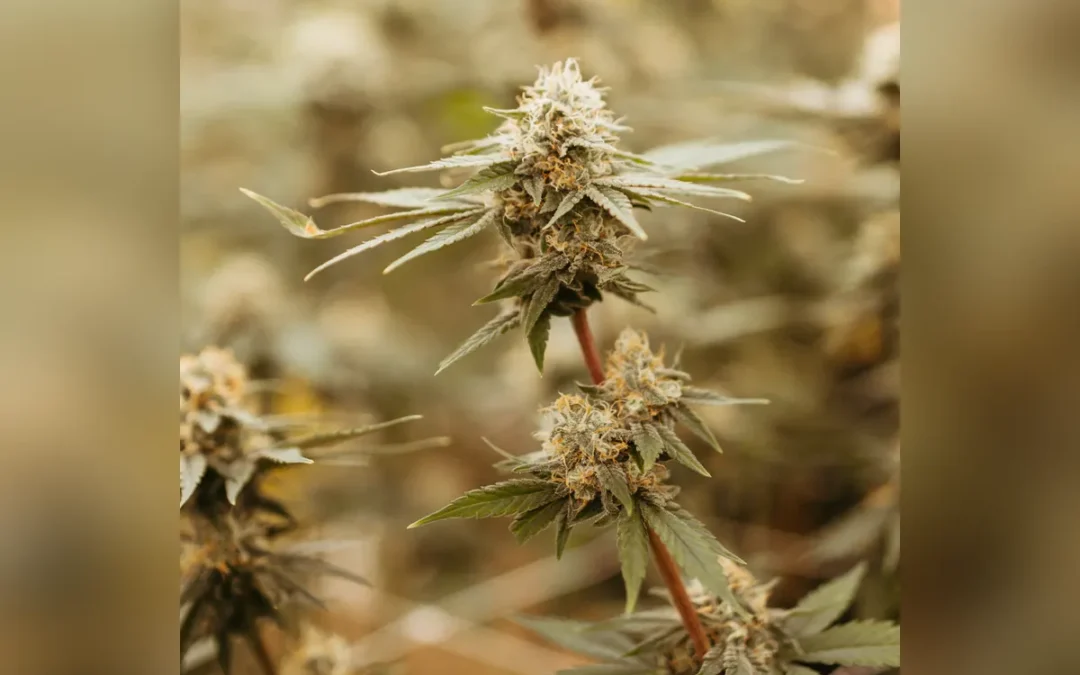
- Indoor buds are often tighter and more uniform, with a heavy coat of trichomes. Indoor is often what people picture when they say "top shelf."
- Greenhouse buds can be a little looser or more varied in shape and color. Many people find the flavor just as full, and the price is usually lower.
How the flower is dried and cured matters as much as where it grew. A poor cure can ruin great indoor buds. A careful cure can make greenhouse flower shine.
Price: why indoor usually costs more
Indoor flower costs more to grow because of lights, power, and equipment. That shows up on the shelf. Greenhouse flower is often the value pick for people who smoke regularly and want good flavor without paying top-shelf prices.
Examples from our menu
Here's how the labels show up on live product pages right now:
- Greenhouse: Lemon Tree is a greenhouse-grown hybrid. Its listed lab results show 24.4% THCa, and its reported terpenes include limonene, myrcene, caryophyllene, and pinene.
- Greenhouse smalls: Cadillac Rainbow is greenhouse grown and sold as smalls. It tests at 24.7% THCa and costs $6 a gram or $125 an ounce.
- Indoor: Frosted Cherry and Sour Cherry Gelato are both labeled "Indoor | A Buds." Frosted Cherry lists 27.0% THCa and Sour Cherry Gelato lists 26.4%.
Notice the greenhouse options above test in the mid-20s for THCa. A higher number on an indoor strain doesn't mean every indoor batch beats every greenhouse batch. Compare the actual lab results for the batch you're buying, which you can find on our lab results page.
Which one should you choose?
- Choose indoor if you want the most consistent, dense, frosty buds and don't mind paying more.
- Choose greenhouse if you want solid potency and flavor at a better price, or you prefer flower grown with sunlight.
- Either way, check the lab results, read the terpene list, and start low if a strain is new to you.
Browse all of our THCa flower to compare. If you want to see how we think about growing, take our aquaponic farm tour or read why we grow with aquaponics.
FAQ
Is indoor THCa flower stronger than greenhouse?
Not always. Indoor growers have more control, which can help potency, but strain and growing skill matter more. Check each batch's lab results instead of relying on the label.
What does "A Buds" mean?
It usually means larger, top-grade buds, as opposed to smalls or B buds. On our menu, strains like Frosted Cherry and Sour Cherry Gelato are labeled "Indoor | A Buds."
Is greenhouse the same as outdoor?
No. Greenhouse plants grow under sunlight but inside a covered structure that offers some protection and climate control. Outdoor plants grow in an open field.
Why is greenhouse flower cheaper?
Using sunlight cuts down on electricity and equipment costs, so growers can sell it for less.
Does greenhouse flower have fewer terpenes?
Not necessarily. Terpenes depend on genetics, the environment, and how the flower is dried and cured. The terpene list on the product page and the lab report are your best guide.
Sources
- Summers HM, Sproul E, Quinn JC. The greenhouse gas emissions of indoor cannabis production in the United States. Nature Sustainability. 2021.
- Zandkarimi F, et al. Comparison of the cannabinoid and terpene profiles in commercial cannabis from natural and artificial cultivation. Molecules. 2023.
For adults 21+ only. Contains hemp-derived THC. Do not drive or operate machinery after use. Keep out of reach of children and pets. Not for use if pregnant or nursing. May cause a failed drug test. Talk to your doctor before use if you take medication or have a medical condition. These statements have not been evaluated by the FDA. This product is not intended to diagnose, treat, cure, or prevent any disease.