







Not everyone wants bubbles. If you like the idea of a THC drink but skip anything fizzy, you have more choices than you might think.
Non carbonated THC drinks are still, bubble-free beverages made with hemp-derived THC. They come as ready-to-drink bottles, syrups you add to a drink, stir-in mixes, small shots, and tonics. Because you swallow them, they act more like THC edibles than smoking: slower to start and longer to last. How strong they feel depends on the dose and on you.
This guide walks through the formats, the flavors, how still drinks compare with Delta 9 THC seltzers and gummies, and the practical things worth knowing before you try one.
What does “non-carbonated” mean in a THC drink?
A non-carbonated drink is any liquid with no added carbon dioxide, so it has no fizz. That’s the whole difference. Carbonation changes texture and mouthfeel, not how much THC is inside.
People choose still drinks for simple reasons. Some don’t like the bite of bubbles. Some find fizzy drinks leave them bloated. Others want a drink they can sip slowly over an evening without it going flat. If you’ve browsed a beverage lineup that includes both still and sparkling options, you’ve likely noticed the two sit side by side as equals.
Where did THC beverages come from?
THC beverages grew out of the wider hemp market that opened up after hemp was separated from marijuana under federal law. Hemp-derived THC is THC that comes from hemp plants, which federal rules define by a very low Delta 9 THC level in the raw plant. Products made from that hemp can still contain a measurable amount of THC per serving.
Drinks became popular because they fit habits people already have. Pouring a glass or opening a bottle feels familiar. For people who want to avoid alcohol or smoke, a cannabis beverage can feel like a natural swap. Seltzers got most of the attention first, and still formats followed as the category grew.
The rules around hemp-derived THC are not fixed. Federal and state regulators have changed definitions and limits more than once, and more changes may be coming or already in effect. Anything in this article about legality is general, and you should check current official sources for where you live. You can read more background on the Delta 9 ingredient page.
How do non carbonated THC drinks work in the body?
A THC drink is swallowed and digested, so the THC is absorbed through your gut and processed by your liver before you notice anything. That is why drinks start slower than inhaling and tend to last longer. It’s the same general path a gummy takes.
Some drinks use emulsified or water-soluble THC. Emulsified THC is cannabis extract broken into tiny droplets so it mixes evenly into water instead of floating on top. Makers often say this helps the drink feel more consistent from sip to sip. How much it changes timing varies by product and person, so treat any claims about speed as general, not guaranteed.
There is no fixed clock for when a drink “kicks in.” It can take a while, and feeling nothing right away does not mean it isn’t working. The FAQ page covers common timing questions for edibles-style products in more detail.
What formats do non-carbonated THC drinks come in?
Still THC drinks are a family of products, not one thing. The main difference between them is whether the dose is fixed for you or measured by you.
Ready-to-drink bottles and cans
A ready-to-drink (RTD) THC beverage is a pre-mixed, pre-dosed drink you open and sip. The label tells you how many milligrams of THC are in the container and, ideally, per serving. Still RTDs often look like juices, teas, lemonades, or flavored waters.
The upside is simplicity. There is nothing to measure. The thing to watch is whether a single bottle is meant to be one serving or several, since that changes how much you’re taking in.
Delta 9 THC syrup
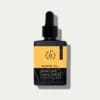
Delta 9 THC syrup is a concentrated, sweetened liquid that you measure out and stir into another drink. A small amount goes into water, tea, juice, or a mocktail. Syrups give you control over the dose, which many people like.
That control cuts both ways. Syrups are usually labeled by total milligrams per bottle, and you have to work out how much is in the amount you pour. A Delta 9 THC syrup product page is a useful example of how this format is labeled and served.
Drink mixes and higher-dose powders
A THC drink mix is a powder or packet you stir into a liquid. Some are single-serve sticks. Others are tubs where you scoop a measured amount. A higher-dose THC drink mix is one labeled with more milligrams per serving than a typical seltzer, so the label matters more here than almost anywhere.
Mixes travel well and let you choose your own base drink. Read the serving size before you scoop.
THC shots
A THC shot is a small, single-serve liquid, usually a couple of ounces, meant to be taken in one go. The whole dose arrives quickly because the drink is gone in seconds. That makes shots convenient but less forgiving if you were hoping to sip slowly and check in with yourself along the way.
Tonics, teas, and cannabinoid blends
A tonic is a still drink that pairs THC with other hemp cannabinoids like CBD or CBG, or with botanicals like herbs and roots. Many are sold as “ratio” products, meaning the label lists how the cannabinoids compare, such as equal parts THC and CBD.
Blends feel different from THC alone for some people, though how much depends on the mix and the person. The CBD ingredient page and the cannabinoid blends page explain the individual ingredients you’ll see in these drinks.
What do still THC drinks taste like?
Most still THC drinks taste like the drink they resemble, with a hint of hemp underneath. Fruit, citrus, berry, tropical, tea, and herbal flavors are common across the category. Makers lean on flavor to cover the plant taste, and how well that works varies by brand and recipe.
Syrups and mixes give you the most say over flavor because you pick the base. A citrus syrup in iced tea tastes nothing like the same syrup in sparkling water. Flavor lineups change often, so check a current beverage collection rather than relying on any article, including this one.
How are still THC drinks different from Delta 9 THC seltzers?
Delta 9 THC seltzers and still THC drinks use the same ingredient. The differences are texture, serving style, and dose control. A seltzer is carbonated water with hemp-derived THC, almost always in a fixed-dose can. Still formats include fixed-dose RTDs too, but they also include syrups and mixes you measure yourself.
Seltzers tend to fill the “cold can at a cookout” role. Still drinks cover more ground, from a slow-sipped tonic to a splash of syrup in your evening tea. You’ll also see CBD seltzers on shelves, which contain CBD rather than THC and are a separate product despite the similar can. A 5 mg Delta 9 THC seltzer page shows what fixed-dose labeling looks like for comparison.
How do non-carbonated drinks compare to THC edibles like gummies?
Still THC drinks and THC edibles work the same way in the body, since both are digested. The practical differences are speed of consumption and how easy a dose is to split. A gummy can be cut in half. A bottle can be sipped over an hour or finished in a minute, and a shot is gone right away.
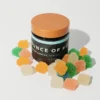
Some people prefer chewing; some prefer sipping. Some find a drink easier to pace. The edibles collection is a good reference if you’re weighing gummies or chocolate against a drink.
|
Still (non-carbonated) THC drinks |
Delta 9 THC seltzers |
THC edibles (gummies, chocolate) |
|
|
Format |
RTD bottles, syrups, mixes, shots, tonics |
Carbonated canned drink |
Solid food items |
|
How it’s consumed |
Sipped or stirred into another drink |
Sipped from the can |
Chewed and swallowed |
|
Dose flexibility |
Fixed for RTDs and shots; measurable for syrups and mixes |
Usually fixed per can |
Fixed per piece; some can be split |
|
Typical use |
Slow sipping, mixing into tea or mocktails, blends |
Social, cold, alcohol-free occasions |
Discreet, portable, longer-lasting |
Why does the same drink feel different for different people?
Two people can drink the same bottle and have very different experiences. That isn’t the drink being inconsistent. It’s the way THC interacts with each body.
Dose per serving and how much you actually drank
The label dose is only the starting point. What matters is how much you took in. One serving of an RTD is one thing; the whole bottle may be several. With syrups and mixes, the dose is whatever you measured, so small pours and careful scoops matter.
Metabolism and body weight
Everyone processes THC at their own speed. Metabolism, body weight, and body composition all play a role in how a drink feels and how long it lasts. There’s no formula that converts weight into a “right” dose, which is why starting low matters.
Whether you’ve eaten
Food in your stomach changes how a drink is absorbed. Taking a THC drink on an empty stomach can feel different from having it after a meal. Neither is wrong, but it’s one more reason not to compare your experience to someone else’s.
Tolerance from past use
People who use THC products regularly often notice less from the same dose than someone who rarely does. Tolerance can shift over time in either direction. If you’ve taken a break, treat your old dose as a new one.
Product formulation
Emulsified THC, added CBD or CBG, sugar content, and the base liquid can all change how a product feels. Two drinks with the same milligram number are not always the same experience. Published lab results let you see what cannabinoids are actually in a batch rather than guessing from the front label.
Can you mix THC drinks with alcohol or caffeine?
Mixing THC with alcohol or caffeine adds variables you can’t easily predict. Alcohol and THC can intensify each other’s effects for some people, and the combination makes it harder to judge how you’re doing. Caffeine can mask tiredness and lead people to drink more THC than they planned.
This isn’t medical advice, and it’s not a rule everyone follows. But if you’re new to THC drinks, trying them on their own first, without alcohol, gives you a clearer picture of how you respond. If you take medication or have a health condition, a doctor is the right person to ask about combinations.
A sparkling-free option for social settings
Still THC drinks fit social moments where a fizzy can feels out of place: a dinner, a quiet patio evening, a wind-down after work. A tonic in a glass or a splash of syrup in iced tea looks and feels like any other drink.
Pacing is the main thing. A THC drink isn’t meant to be finished at the speed of a beer, and the delayed start means “one more” can stack before the first has arrived. Sip, wait, and check in with yourself. And plan your ride home before you start. THC affects judgment and reaction time, so driving or operating machinery after a THC drink is off the table.
Are still THC drinks weaker than seltzers?
No. Carbonation has no effect on potency; the milligram number does. A still drink with the same THC content as a seltzer carries the same amount of THC. This is the most common mix-up in the category.
A few other myths are worth clearing up. “Hemp-derived” does not mean “won’t affect you.” Hemp-derived THC is still THC, and it can feel as noticeable as any other source at the same dose. Drinks also don’t hit as fast as smoking, so waiting matters. And taking more because you “don’t feel anything yet” is how most unpleasant experiences happen. Give it time before deciding.
What should you know before trying a non-carbonated THC drink?
The basics are simple: go slow, know what’s in the bottle, store it properly, and know your local rules.
Start low and go slow
Choose a low serving, drink it, and wait before having more. If a product’s smallest serving feels like too much to begin with, a syrup or mix lets you go smaller. There’s no prize for a bigger dose.
21+ and who should hold off
Hemp-derived THC beverages are for adults 21 and over. Anyone who is pregnant or nursing, takes prescription medication, or has a serious health condition should talk to a doctor first. These products aren’t evaluated by the FDA for safety or effectiveness, and they aren’t meant to diagnose, treat, cure, or prevent anything.
Read the label and the lab results
Before your first sip, check:
- mg per serving vs. mg per container — a bottle with many servings can look modest per serving and large in total.
- Serving size — especially for syrups, mixes, and multi-serve bottles.
- Other cannabinoids — CBD, CBG, and others change the experience.
- A lab report (COA) — it shows what was actually measured in that batch. Ounce of Hope posts third-party lab results for its products as an example of what to look for.
Store it properly
Keep drinks, syrups, and mixes sealed, cool, and out of direct light. Follow any “refrigerate after opening” or “shake well” instructions on the label. Store everything out of reach of children and pets, since many of these products look and taste like ordinary drinks.
Legal status varies by state
State rules on hemp-derived THC products differ widely and change often. Some states ban or limit them, some regulate them tightly, and some products can’t be shipped everywhere. The shipping policy page lists current state restrictions for Ounce of Hope orders, and your state’s own regulator is the final word on what’s allowed where you live.
Wrapping up
Non carbonated THC drinks give you the same hemp-derived THC as a seltzer without the bubbles, in formats that range from grab-and-go bottles to syrups you measure yourself. The right one depends on how you like to drink: slow and sippable, mixed into something you already enjoy, or quick and done. Whatever you pick, start low, read the label, and give it time. If you want to see how the formats differ in practice, browsing a current beverage lineup is a good place to start.
Frequently asked questions
Are non-carbonated THC drinks stronger or weaker than seltzers?
Neither. Carbonation changes texture, not potency. A still drink and a seltzer with the same milligrams of hemp-derived THC contain the same amount of THC. What changes how a drink feels is the dose you take, your body, whether you’ve eaten, your tolerance, and the product’s formulation, not whether it has bubbles.
How long does a THC drink take to work?
There is no fixed time. THC drinks are digested like edibles, so they start slower than smoking and can last longer. Timing varies with dose, metabolism, food in your stomach, and the product’s formulation. If you don’t feel anything right away, wait before taking more rather than assuming it didn’t work.
Can you mix Delta 9 THC syrup into coffee or tea?
Generally, yes. Syrups are designed to be stirred into another drink, and tea or coffee are common choices. Measure the syrup carefully, since the dose is whatever you pour. Keep in mind that caffeine can make it harder to notice how the THC is affecting you, so pace yourself.
Do THC drinks go bad?
Yes, like any beverage. Most have a best-by date, and opened syrups or RTDs should be stored as the label directs, often refrigerated. Heat and light can also affect quality over time. If a drink smells off, has separated badly, or is past its date, it’s safest to discard it.
What’s the difference between a THC drink mix and a syrup?
A syrup is a liquid concentrate you measure and stir in. A drink mix is a powder or packet, sometimes pre-portioned. Both let you choose your own base drink. Mixes are easier to travel with; syrups are easier to measure in small amounts. Check the mg per serving on either before using.
Who should avoid THC beverages?
Anyone under 21, anyone pregnant or nursing, and anyone who plans to drive or operate machinery afterward. People taking prescription medication or managing a health condition should talk to a doctor first. If you’re unsure, that’s a good reason to wait.