




Walk into a CBD shop or scroll through one online, and you'll see "high CBD, low THC" on label after label. It sounds simple enough. But if you're new to cannabis products, the phrase raises fair questions. Will it make me feel high? Could it show up on a drug test? How do I know the label is honest?
This guide covers what the phrase means, how to read the numbers on a package, what science can and can't say yet, and what to check before you buy. No hype, and no big promises.
What Does "High CBD, Low THC" Actually Mean?
High CBD, low THC product contains much more cannabidiol (CBD) than tetrahydrocannabinol (THC). Its primary ingredient is CBD. THC is present in small amounts or as a trace only.
The phrase is a description, not a legal or scientific category. One brand's "low THC" can differ from another's, so the label and lab report matter more than the marketing words on the front.
CBD and THC: Two Compounds, Two Very Different Experiences
The cannabis plant contains more than 80 active compounds. CBD and delta-9 THC are the two best known. According to the FDA, THC is the compound that causes the "high" linked to marijuana. CBD doesn't work that way.
That doesn't make CBD inactive. It still affects the body and can cause side effects, which we'll cover later.
Why the Balance Between Them Matters
The mix of CBD and THC shapes how a product may feel. More THC raises the chance of feeling intoxicated. Less THC lowers it, though everyone reacts differently.
Hemp-Derived CBD vs. Marijuana-Derived Products
Hemp and marijuana are both forms of the same plant, Cannabis sativa. The difference is mostly about how much THC the plant holds.
Where the Legal Line Sits
The 2018 Farm Bill defined hemp as cannabis with no more than 0.3% delta-9 THC on a dry weight basis. Plants and products under that line were removed from the federal list of controlled substances. Anything above it is treated as marijuana under federal law.
Why the Source Plant Changes What's in the Bottle
Most CBD sold online comes from hemp, so hemp-derived CBD products usually start with very little THC. Products made from marijuana can carry far more THC, and they're typically sold only through licensed dispensaries in states that allow them.
Being legal as hemp also doesn't mean the FDA has checked a product. The FDA says hemp products follow the same rules as anything else it regulates.
How to Read CBD-to-THC Ratios Without Getting Confused
Many products list a CBD to THC ratio, like 20:1 or 1:1. The first number is CBD and the second is THC. The first number is higher, meaning more CBD than THC.
There is no single “best” ratio. Bodies, goals, and sensitivity to THC differ too much for one answer to fit everyone.
What a Ratio Tells You, and What It Doesn't
A ratio shows proportion, not amount. Here's a made-up example to show the math. Two products are both labeled 20:1. One serving of the first has 20 mg of CBD and 1 mg of THC. One serving of the second has 100 mg of CBD and 5 mg of THC. Same ratio, but five times the THC.
So look past the ratio to the milligrams. Check how much CBD and how much total THC are in each serving, and in the whole package. Those numbers tell you far more about what you're actually taking.
Full-Spectrum, Broad-Spectrum, and Isolate: Why "Low THC" Isn't "No THC"
Full-spectrum CBD keeps many of the plant's natural compounds, including other cannabinoids and terpenes. It also keeps some THC. In a hemp product that amount is small, but it isn't zero. Some brands, like Ounce of Hope, use whole-plant extracts, and you can read how they grow and make their products in their story.
Broad-spectrum CBD goes through extra steps to remove THC while keeping other plant compounds. "Removed" can still mean trace THC, depending on how well the process worked.
CBD isolate is only CBD, with all other compounds filtered out. It's the purest form, though trace amounts of other compounds can still show up.
The takeaway is simple. "Low THC" and "THC-free" are not the same promise. If you need to avoid THC completely, check the lab report for that exact batch rather than trusting a word on the box. You can compare styles across a CBD product collection to see how labels describe each one.
Why "Hemp Oil" on a Label Isn't Always CBD
"Hemp oil" and "CBD oil" sound alike, but they can be very different. Hemp seed oil is pressed from the seeds. The FDA says hemp seeds don't naturally contain THC or CBD, though they can pick up traces during processing. It's sold as a food ingredient.
CBD oil, on the other hand, is made from an extract of the plant's flowers and leaves, where CBD actually forms. So if a bottle says "hemp oil" or "hemp extract" but lists no milligrams of CBD, you may not be getting CBD at all. Look for a clear CBD amount on the label and on the lab report.
Why People Choose High CBD, Low THC Products
The reasons below are things people say, not proven results.
Many adults say they like a CBD product as part of winding down in the evening. Some browse items grouped under labels like relax and sleep because those fit the kind of routine they want. Others are curious about cannabis but don't want to feel intoxicated, so a product with less THC feels like a more comfortable starting point.
Others simply add CBD to a daily wellness routine. Experiences vary with body chemistry, product type, serving size, and even what you ate that day.
What the Research Does and Doesn't Show
Research on CBD is still ongoing, and a lot of questions don't have answers yet. Here's what the FDA has actually said.
The One FDA-Approved CBD Drug
The FDA has approved only one CBD product. It's a prescription drug called Epidiolex, which contains a purified form of CBD. It's approved for seizures linked to three rare conditions: Lennox-Gastaut syndrome, Dravet syndrome, and tuberous sclerosis complex, in patients one year and older.
That approval covers that specific drug, made to strict standards and taken under a doctor's care. It doesn't extend to CBD oils, gummies, or creams sold in stores.
What FDA Says About Other CBD Products
The FDA says there are no other approved drug products that contain CBD. Store-bought CBD products haven't been reviewed by the agency to see whether they work, what the right amount is, or how they mix with other drugs.
The FDA also says it has seen only limited safety data, and that data points to real risks. When it tested some products, many didn't contain the CBD they claimed. It has also looked into reports of contaminants like pesticides, heavy metals, and THC.
Common Ways to Use High CBD, Low THC Products
CBD products come in many forms. The FDA says it still doesn't know how each method changes how much CBD the body takes in.
CBD Oils and Tinctures
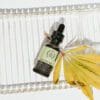
A CBD tincture or CBD oil usually comes in a small bottle with a dropper. People often place the drops under the tongue or mix them into a drink. You'll find a range of these under CBD oils and tinctures.
CBD Edibles and Gummies
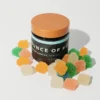
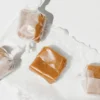
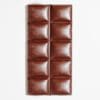
Gummies and other CBD edibles come in pre-measured pieces. The catch is that anything you eat passes through digestion first, so it can take a while to feel. Taking a second piece too soon is a common way to overdo it. If you're curious, look over the edibles category, and read each label for the CBD and THC amount per piece.
CBD Softgels
Softgels are capsules with CBD oil sealed inside. They have no taste, and each one holds a set amount. Like edibles, they're swallowed, so the same patience applies. Browse CBD softgels if a no-flavor option sounds easier.
Topicals
Topicals are balms, salves, and lotions you rub onto the skin. The FDA says it's still studying how much CBD gets absorbed through skin cream. If you try CBD topicals, test a small patch of skin first.
Cannabis Infused Honey
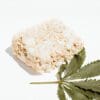
Cannabis infused honey blends a cannabis extract with honey, often stirred into tea. Because it's eaten, it follows the same wait-and-see pattern as edibles. Infused honey can hold CBD, THC, or both, so never assume it's CBD-only.
Serving Size Basics: Read the Label, Start Low, Go Slow
The FDA hasn't set a serving size for store-bought CBD. It says it doesn't yet know what level of intake triggers CBD's known risks. So this guide won't give you a number, and you should be careful with anyone who does.
Start with the label. Find the milligrams of CBD and total THC per serving, not just per bottle. Then try the smallest suggested amount and give it time before deciding whether to take more. That's especially true for anything you swallow.
Most important, talk to a doctor or pharmacist before you start, especially if you take any medication.
How to Read a CBD Label and Check Third-Party Lab Results
A good label lists the CBD amount per serving and per package, the THC content, the ingredients, the batch or lot number, and directions. Missing basics are a warning sign.
A certificate of analysis, or COA, is a report from an outside lab showing what's actually in the product. Third-party lab results matter because the FDA found many tested CBD products didn't contain the amount of CBD they claimed.
What to Look for on a COA
Use this short checklist when you open a COA:
- Batch match: The batch or lot number on the report should match the one on your package.
- Cannabinoid profile: Check that the CBD amount is close to the label. Look at delta-9 THC and total THC too, since total THC can include forms that convert to THC.
- Contaminants: Look for tests on pesticides, heavy metals, residual solvents, and microbes.
- Lab name and date: The report should name an independent lab and show a recent test date.
Cannabis lab testing is only useful when you can see it. Many brands post their reports online. Ounce of Hope, for example, publishes its lab results so shoppers can check them before buying. If a brand won't share a COA, that tells you something too.
Side Effects, Medication Interactions, and Drug Tests
Possible Side Effects
The FDA lists side effects people might notice. These include sleepiness (or sometimes trouble sleeping), diarrhea, less appetite, upset stomach, and mood changes like irritability. The agency says these should ease when CBD is stopped or the amount is reduced.
Other risks are harder to spot. The FDA says CBD can cause liver injury, which usually shows up only on blood tests. Using CBD with alcohol or other drugs that slow brain activity raises the risk of drowsiness, which can lead to injuries. Animal studies have also raised questions about male fertility, though what that means for people isn't clear yet.
Medication Interactions
According to the FDA, CBD can change how other medicines work, and other medicines can change how CBD works. That could make a drug stronger, weaker, or more likely to cause side effects. Research on CBD mixed with herbs and supplements is limited, too.
A practical step: bring a list of everything you take, including vitamins and herbal products, when you ask your pharmacist about CBD.
Can Low THC Show Up on a Drug Test?
It can. Most drug tests look for THC or what the body turns it into, not CBD. Full-spectrum products contain some THC, and even broad-spectrum or isolate products can hold traces. Over time, small amounts may add up.
A hemp label isn't a shield. If you're tested for work, sports, or any other reason, ask your testing program before using any CBD product.
Common Beginner Mistakes to Avoid
The most common slip is trusting the front of the package over the lab report. Words like "pure" or "THC-free" mean little without a COA to back them up.
Impatience is another. People take an edible, feel nothing yet, and take more. Stacking servings like that is an easy way to end up uncomfortable.
Finally, don't skip the pharmacist because CBD seems "natural." Natural doesn't mean safe with every medication.
Who Should Be Cautious
These products are for adults 21 and older. Some groups should be extra careful or avoid them unless a healthcare professional says otherwise.
If you're pregnant or breastfeeding, the FDA says the effects of CBD on a developing baby are unknown, and it points to possible harms from THC use during pregnancy. Talk to your provider first. The same goes for anyone who takes prescription drugs, anyone with liver concerns, and anyone who faces drug testing.
A Quick Note on Legality
Cannabis law is changing fast. A federal law passed in November 2025 rewrites the definition of hemp. It moves to a total THC standard and adds a strict THC limit per container for finished products. Those changes are set to take effect in late 2026, though Congress has revisited the start date.
What's legal for you depends on federal, state, and local rules. Check current rules from official sources before you buy. This article isn't legal advice.
Making a Careful First Choice
High CBD, low THC products give adults a way to explore cannabis with less THC in the mix. But low THC isn't no THC, a ratio isn't a serving size, and a label isn't proof. Read the milligrams, check the COA, start small, and talk to a healthcare professional first.
FAQs
Will a high CBD, low THC product make me feel high?
Most people don't expect to, since CBD isn't the compound linked to a "high." But low THC isn't zero THC. Sensitivity varies, and the THC in each serving can differ from product to product. Check the milligrams of total THC per serving, start with a small amount, and see how your body responds before taking more.
Does “low THC” mean THC-free?
No. Full-spectrum CBD keeps some THC on purpose. Broad-spectrum CBD and CBD isolate go through steps to remove it, but traces can remain depending on the process. If you need to avoid THC completely, read the certificate of analysis for that exact batch instead of relying on the front label.
Can high CBD, low THC products show up on a drug test?
They can. Most drug tests look for THC, not CBD, and many CBD products contain some THC. Small amounts may add up with regular use. If you're tested for work, sports, or any other reason, talk to your testing program before using any CBD product.
Is hemp seed oil the same as CBD oil?
No. Hemp seed oil comes from the seeds, which the FDA says don't naturally contain CBD or THC. CBD oil is made from extracts of the plant's flowers and leaves. If a bottle says "hemp oil" but lists no milligrams of CBD, it may not contain meaningful CBD at all.